
Top 10 Things You Will Learn on a Dharavi Slum Tour
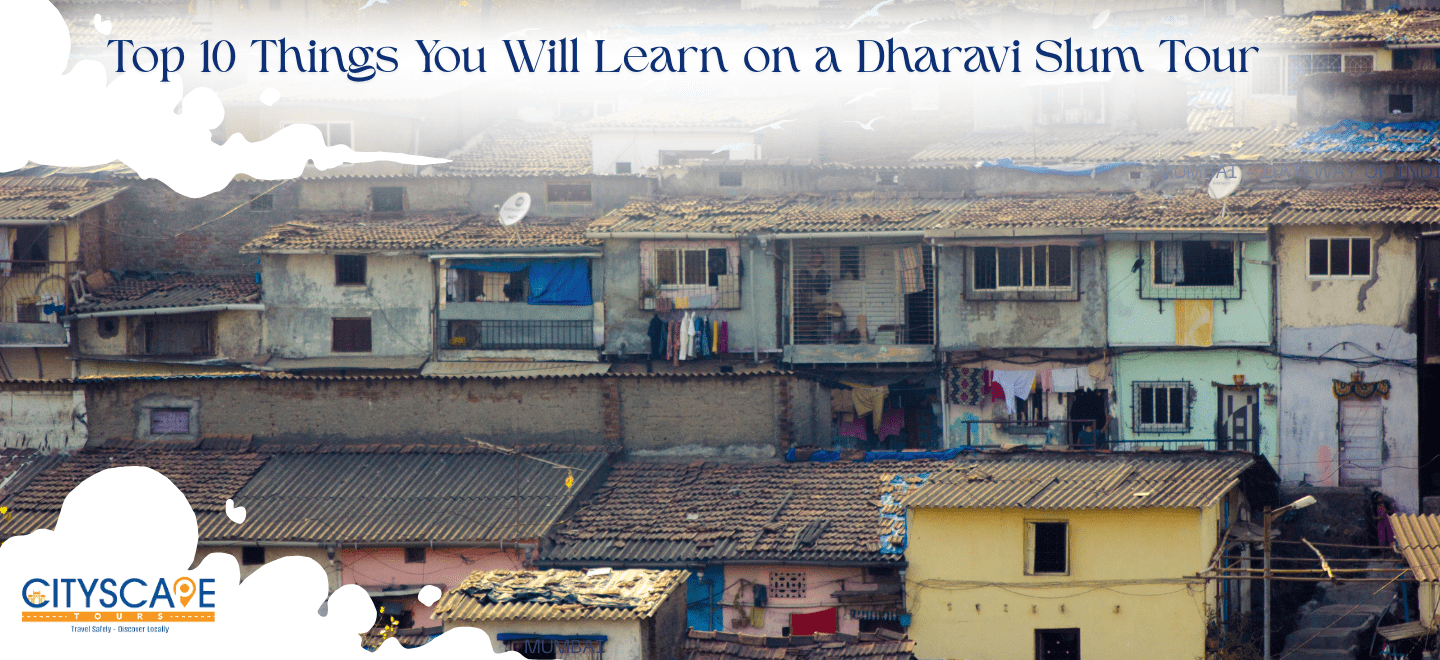
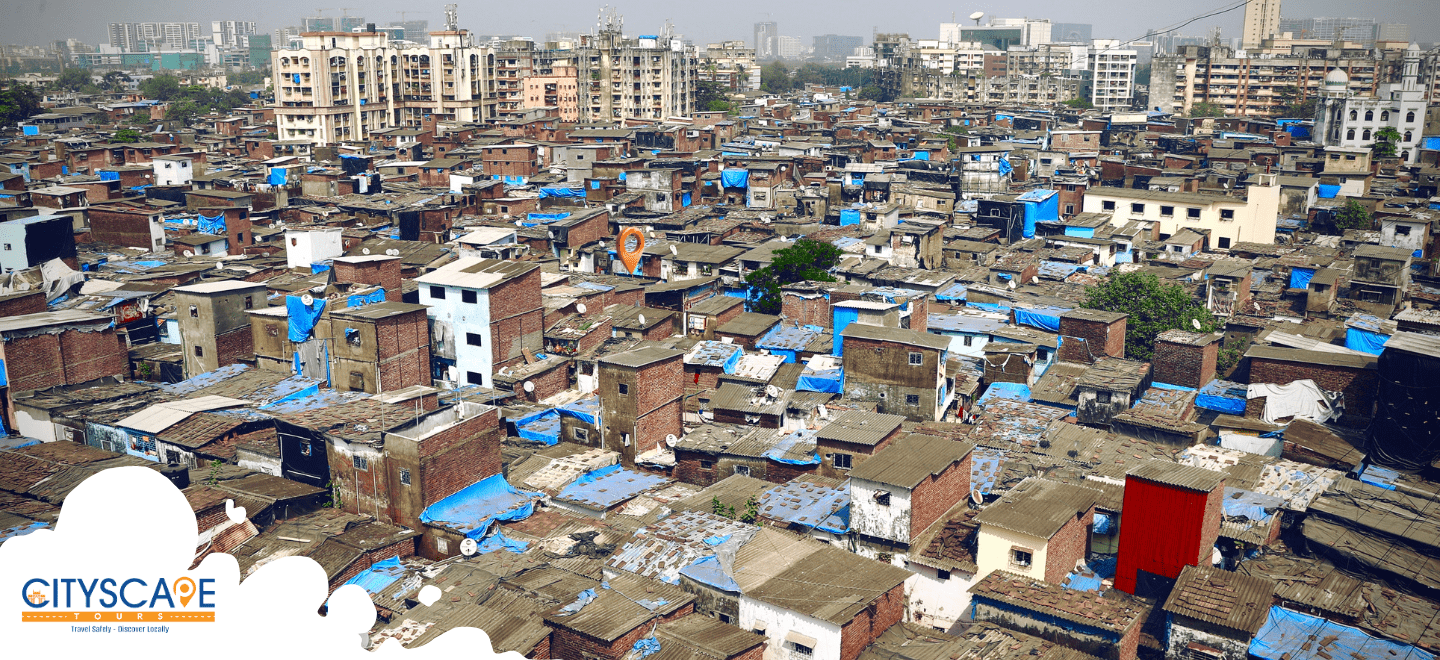
A visit to Dharavi, one of Asia’s most talked-about urban settlements, is an eye-opening and meaningful experience for travelers seeking to understand the real Mumbai. Often misunderstood by the outside world, Dharavi is not just a “slum” — it is a thriving ecosystem of small businesses, skilled artisans, cultural diversity, and human resilience. A guided Dharavi Slum Tour gives you a deeper understanding of how this community functions and why it plays such an important role in Mumbai’s economy and identity.
Here are the top 10 things you will learn on a Dharavi Slum Tour:
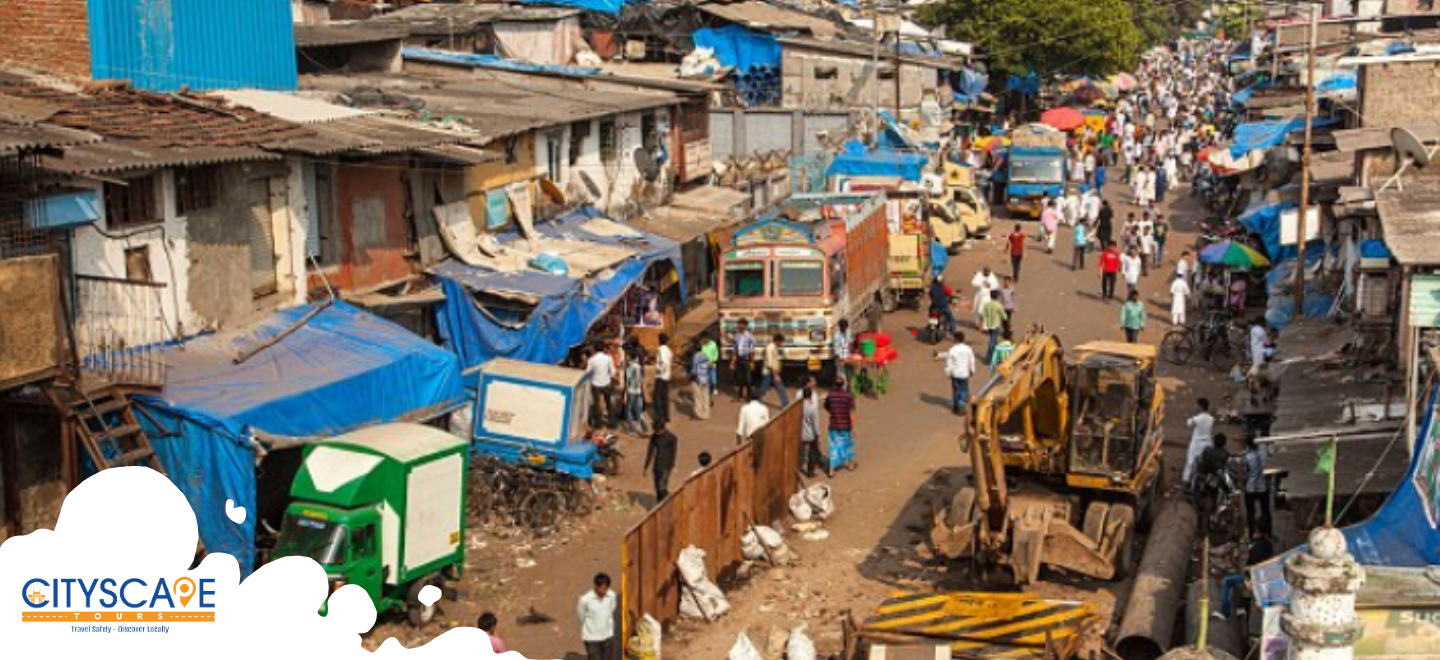
1. Dharavi Is a Billion-Dollar Economic Powerhouse
Dharavi is home to more than 10,000 small industries, collectively generating nearly USD 1 billion every year. From recycling and pottery to leather production and bakery items, Dharavi’s economic scale is impressive. A Mumbai slum tour shows you how this community drives major parts of the city’s informal economy.
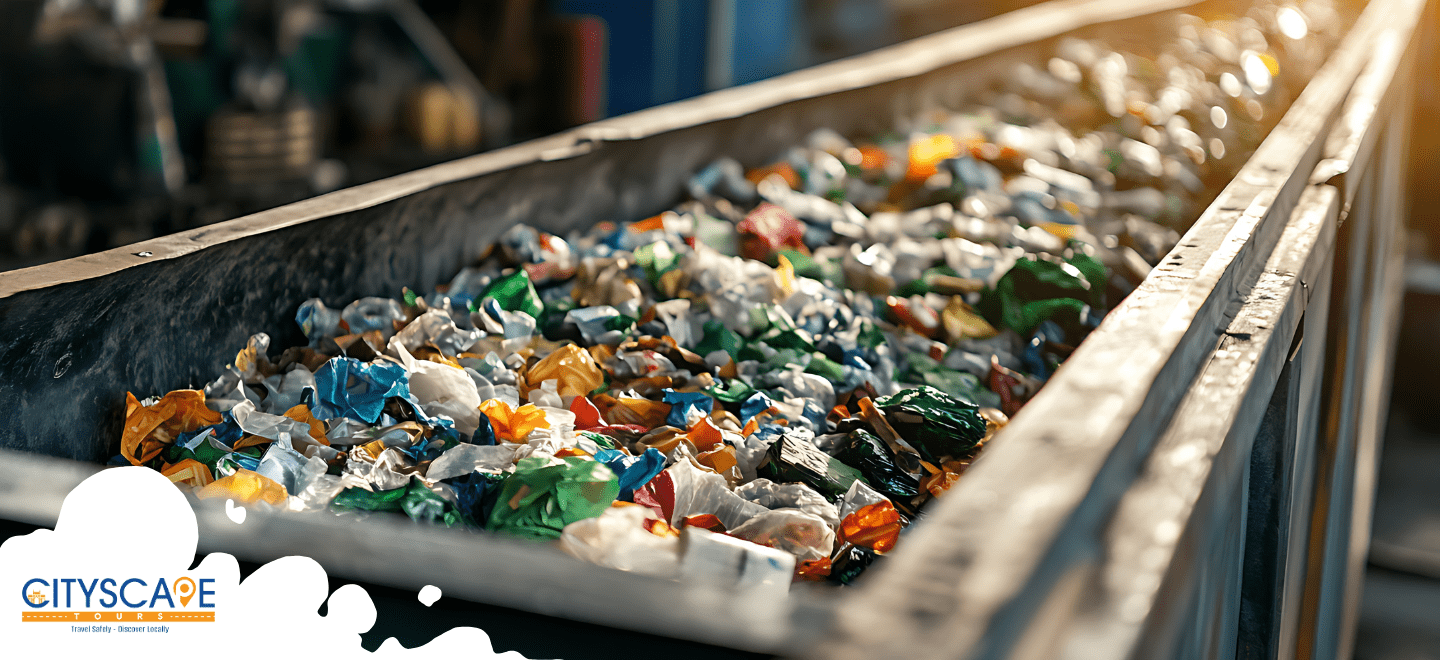
2. Recycling Is One of Dharavi’s Most Important Industries
During your Dharavi Slum Tour, you’ll witness the recycling chain firsthand — sorting, washing, shredding, and melting plastic. This industry provides employment to thousands and plays a crucial role in Mumbai’s waste management and sustainability.
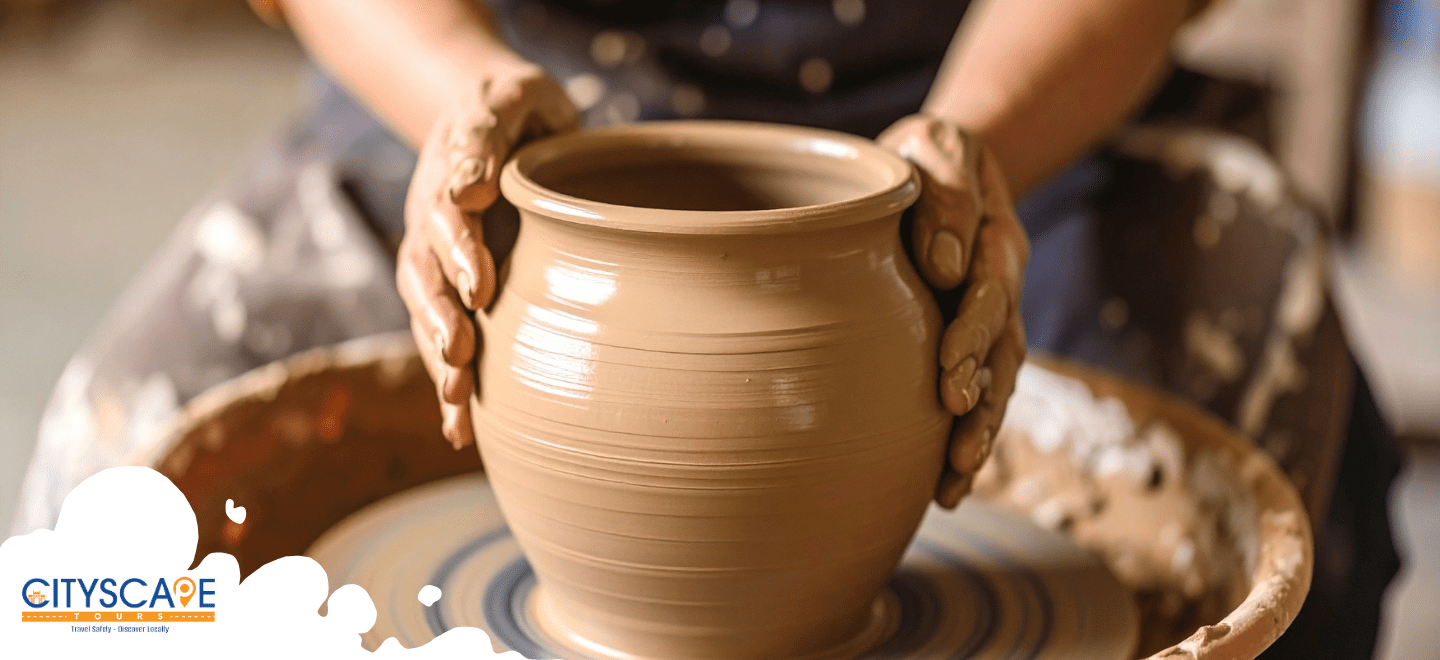
3. Kumbharwada — The Potters’ Colony — Preserves Ancient Craftsmanship
A highlight of any Dharavi walking tour is visiting Kumbharwada, where generations of potters create stunning clay pots using traditional techniques. This vibrant area showcases Dharavi’s cultural heritage and artistic legacy.
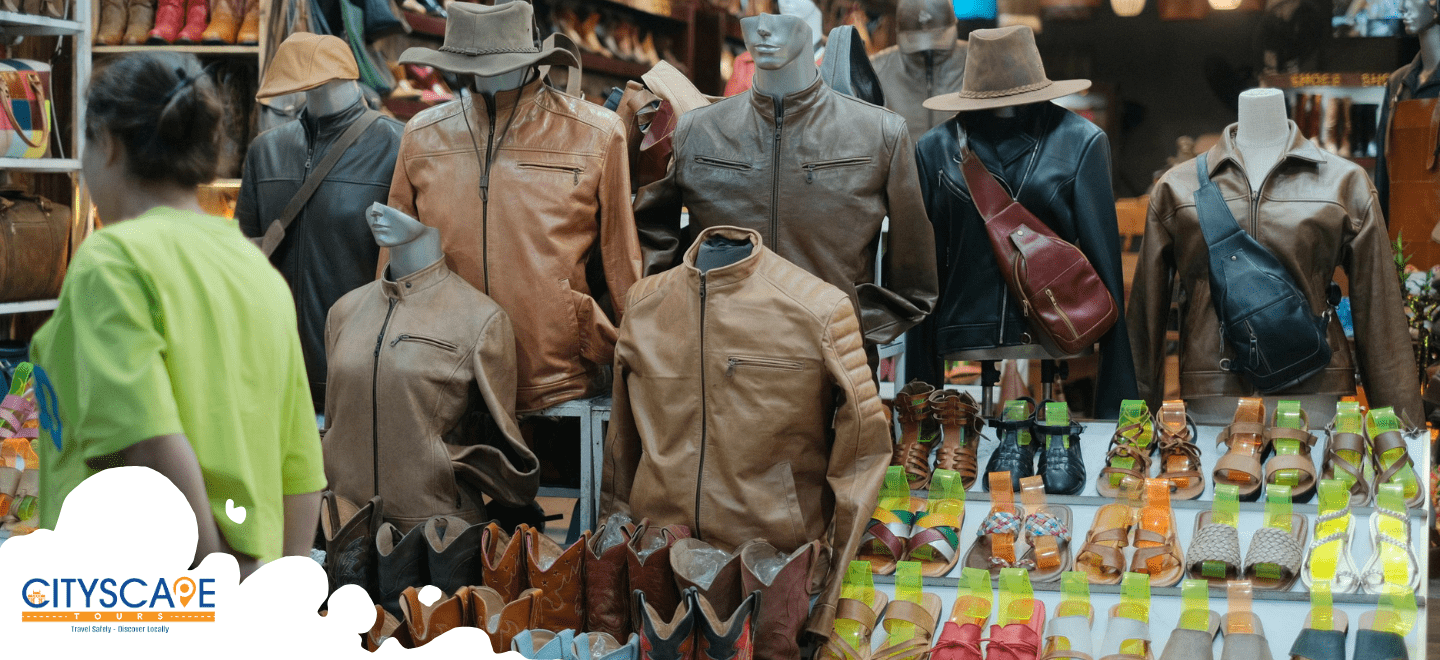
4. Dharavi’s Leather Goods Reach Global Markets
Dharavi is famous for producing high-quality leather bags, wallets, belts, and accessories. On a Dharavi guided tour, you’ll see how leather is processed, stitched, and crafted into export-worthy products sold across India and abroad.
5. Community Spirit Is the Heart of Dharavi
Despite the compact environment, Dharavi has a remarkable sense of unity. Neighbours support each other, families share resources, and cooperation keeps the community strong. Many visitors find this one of the most inspiring parts of the tour.
6. Small Spaces, Big Innovation
Dharavi is a masterclass in creativity and efficient space usage. Homes double as workplaces, and narrow lanes transform into active business hubs. This resourcefulness is one of the most fascinating lessons from a Dharavi Slum Tour.
7. Dharavi Is Incredibly Diverse
People from different Indian states and religions live side by side in Dharavi. This diversity influences everything from local cuisine and festivals to languages and traditions.
8. Life Is Busy, Organized, and Full of Energy
Visitors often expect chaos, but what they witness is an organized and energetic community. Work happens in shifts, businesses run on strict routines, and people navigate the lanes with remarkable efficiency.
9. Education and Skill Development Are Highly Valued
Many NGOs and schools in Dharavi run programs for children and adults. You’ll learn how residents prioritize education and continuously work to improve their futures through learning and skill-building.
10. A Dharavi Slum Tour Breaks Stereotypes and Changes Perspectives
The most powerful takeaway is how a visit to Dharavi challenges preconceived notions. Instead of poverty and hopelessness, visitors discover ambition, talent, innovation, and pride. A Dharavi Slum Tour often leaves travelers with a completely transformed understanding of Mumbai.

Final Thoughts
A Dharavi Slum Tour is not about voyeurism — it is about learning, understanding, and appreciating a community that is often misunderstood. When explored with a responsible operator, this experience offers deep insight into Mumbai’s culture, economy, and humanity.
If you want to explore more local experiences, our Mumbai City Tours offer a deeper look into everyday life.