
Dharavi Slum Tour Mumbai: What to Expect & Is It Worth Visiting?
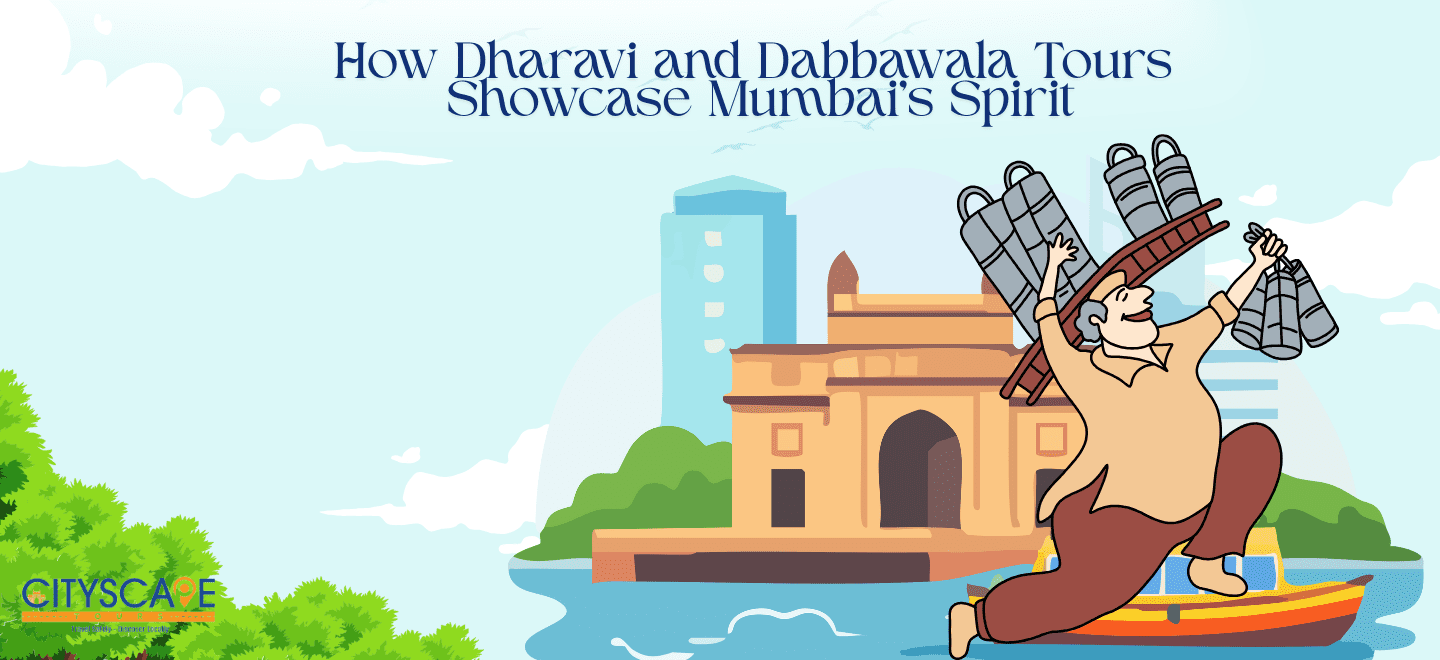
Mumbai is often known for the Gateway of India, colonial architecture, and Bollywood. But to truly understand the city, visitors need to look beyond famous landmarks and experience how everyday life functions. Two unique experiences that reveal the real character of the city are the Dharavi visit and the famous Mumbai Dabbawala system.
Together, they explain why Mumbai is not just a tourist destination — it is a living, working ecosystem powered by people, discipline, and resilience.
Understanding the Real Mumbai
Mumbai is India’s financial capital and one of the most densely populated cities in the world. What makes it remarkable is not only its skyline, but the systems that keep millions of people moving every single day.
Some of these systems developed naturally over time. Others were created out of necessity. Dharavi and the Dabbawala network are perfect examples of how organization, cooperation, and entrepreneurship shape daily life in Mumbai.
Dharavi: A Community Built on Enterprise and Skill
Often misunderstood, Dharavi is not simply a residential area — it is one of the most active small-scale industrial hubs in the city. Thousands of people live and work here, and many homes also function as workshops.
During a visit, travelers observe working industries such as: Travelers who prefer a structured and respectful experience can join a guided Dharavi Slum Tour in Mumbai with a local guide
-
Recycling and plastic segregation
-
Pottery workshops
-
Leather manufacturing
-
Textile production
-
Food preparation businesses
Instead of focusing on poverty, responsible visits explain how people maximize limited space and create sustainable livelihoods. Families run businesses across generations, and local networks support employment within the community.
Visitors who want deeper insight into these industries can join a guided Dharavi Slum Tour in Mumbai where local guides explain the working systems and community life respectfully.
Why Travelers Find the Experience Meaningful
Many travelers say this is the most memorable experience of their trip because it changes their perception of the city.
The visit highlights:
-
entrepreneurship without large capital
-
cooperation between residents
-
efficient use of resources
-
strong community relationships
Rather than a sightseeing attraction, it becomes an educational cultural experience that helps visitors understand how a major city functions behind the scenes.
The Mumbai Dabbawala System: Precision Without Technology
If Dharavi represents grassroots entrepreneurship, the Dabbawala network represents discipline and coordination.
For over 100 years, Mumbai’s Dabbawalas have delivered home-cooked lunches from houses to offices across the city. Every working day, thousands of lunchboxes travel through bicycles, hand-carts, and local trains — and almost all reach the correct destination.
What makes the system unique:
-
No modern tracking software
-
A simple color-coded marking system
-
Exact timing based on local trains
-
Near-perfect delivery accuracy
Business schools and management professionals around the world study this model because it demonstrates logistics efficiency using human coordination rather than technology.
Travelers interested in seeing the operation in action can also experience a Mumbai Dabbawala Tour
Two Experiences That Explain the City
Together, these two experiences tell a complete story of Mumbai:
-
Dharavi shows community-driven industry
-
Dabbawalas show organized city logistics
-
Both rely on trust and cooperation
-
Both operate daily regardless of challenges
They reveal how ordinary citizens build extraordinary systems.
Why a Guided Experience Matters
Understanding these places without context can be confusing. Guided experiences help visitors interpret what they are seeing correctly and respectfully.
A structured visit ensures:
-
cultural sensitivity
-
accurate explanations
-
safe routes
-
respectful interaction with residents
-
no intrusive photography
This is why many travelers prefer organized cultural walking experiences instead of visiting independently.
About Cityscape Mumbai Tours
Cityscape Mumbai Tours offers locally guided cultural experiences designed to help travelers understand the city beyond monuments. The tours focus on storytelling, local knowledge, and respectful interaction with communities.
Experiences include:
-
Dharavi industry and community walk
-
Mumbai Dabbawala operations tour
-
heritage city sightseeing
-
local market explorations
The goal is not just to show locations, but to explain how Mumbai works as a living city.
Frequently Asked Questions
Is Dharavi Slum Tour safe?
Yes. The visit follows specific walking routes and travelers are accompanied by trained local guides. The area visited is a working neighborhood where daily activities continue normally.
Is the experience ethical?
Responsible tours focus on industries, daily life, and entrepreneurship. Photography restrictions and respectful behavior are maintained to protect residents’ privacy.
How long does the visit take?
Most guided experiences last around 2–3 hours depending on walking pace and interaction time.
Why do tourists visit Dharavi?
Visitors come to understand real Mumbai beyond monuments and to learn about small-scale industries, recycling systems, and community living.
Final Thoughts
Mumbai cannot be understood only through buildings and famous attractions. Its true identity lies in its people and the systems they have built over decades.
Experiencing Dharavi and the Dabbawala network helps travelers see how cooperation, trust, and hard work support one of the world’s busiest cities every day. For many visitors, it becomes the most eye-opening part of their journey in India.