
A Dabbawala tour in Mumbai is not just a sightseeing experience—it is a deep dive into one of the world’s most efficient human-powered logistics systems. The Mumbai Dabbawala Association, responsible for delivering over 200,000 home-cooked lunches every day, has become a global case study in management, teamwork, and operational precision. For visitors, witnessing this system in action is both eye-opening and inspiring.
The Origins of the Dabbawala System
The Dabbawala system began in the late 19th century, during British colonial rule, when office workers wanted fresh, home-cooked meals delivered to their workplaces. What started as a small service has evolved into a massive operation run almost entirely without technology.
On a tour, guides often explain how this 125+ year-old system continues to function flawlessly in a city of over 20 million people—without GPS, apps, or digital tracking.
The Morning Collection: Organized Chaos
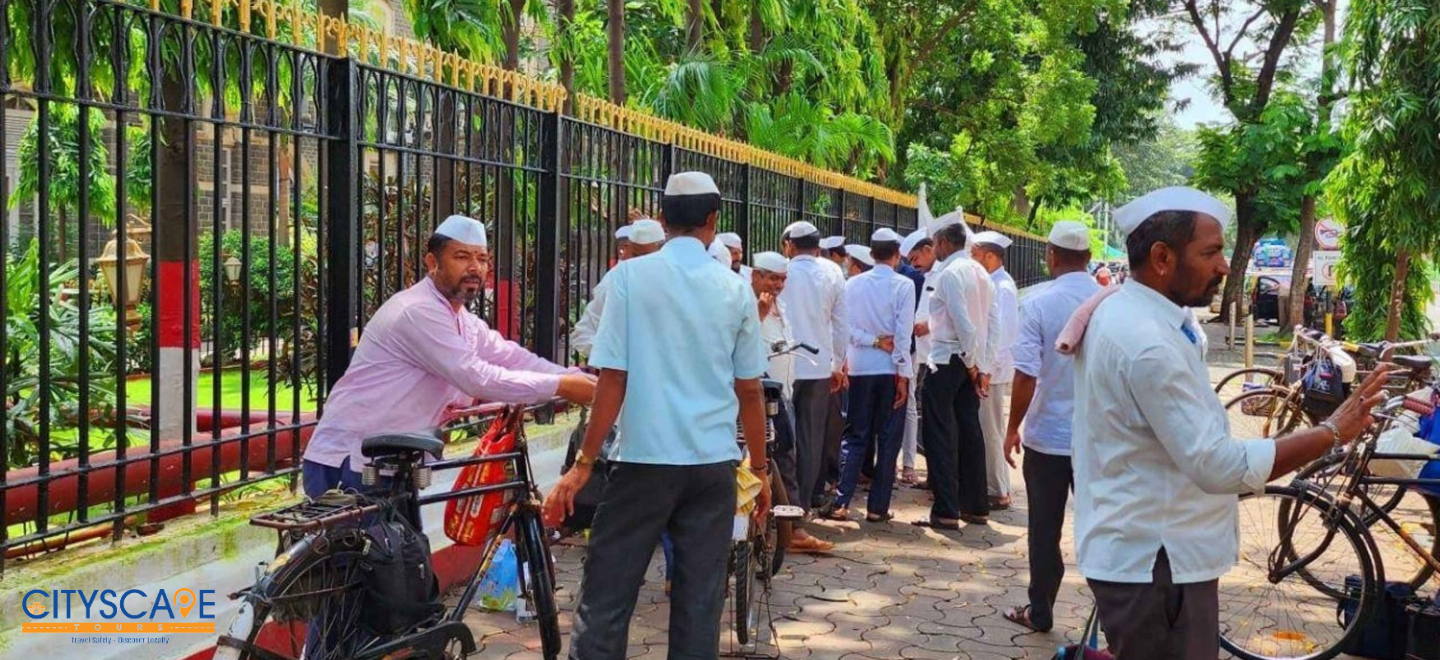
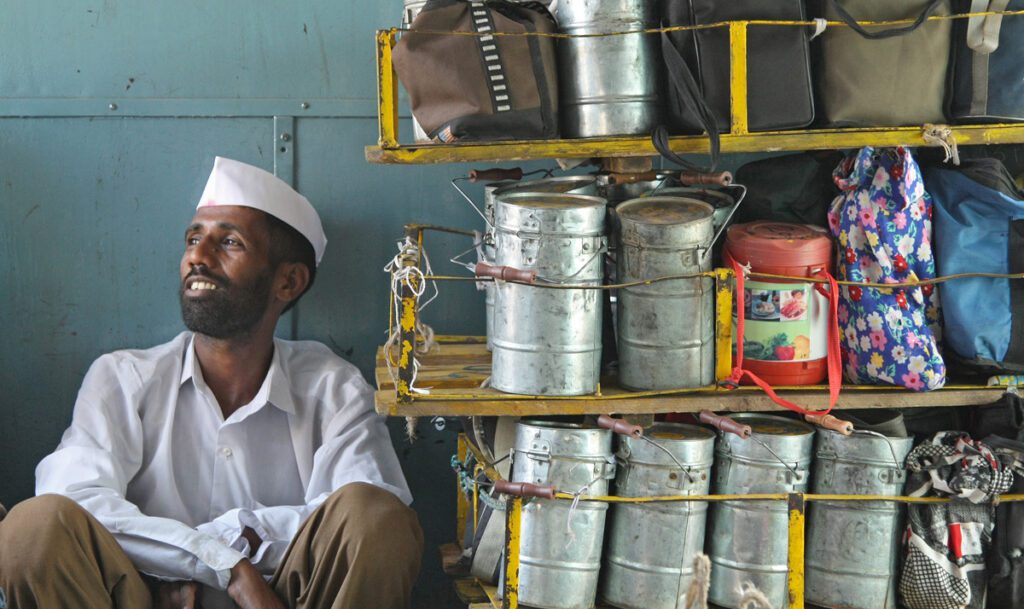
Your Dabbawala tour typically begins in a residential neighborhood during the late morning. Here, you’ll see dabbawalas collecting lunchboxes (called dabbas) from homes and housing societies. Each dabbawala is responsible for a specific area, ensuring familiarity and accountability.
At first glance, the process may look chaotic—hundreds of lunchboxes being gathered at once. But as guides explain, every movement is calculated. Each dabba is marked with a unique coding system using colors, symbols, and numbers that indicate origin, destination station, sorting group, and final delivery point.
Decoding the Famous Dabbawala Coding System
One of the most fascinating aspects tourists witness is the coding system, a simple yet brilliant method that eliminates confusion. Instead of written addresses, the system relies on:
- Symbols representing destination railway stations
- Numbers indicating sorting groups
- Colors marking pickup and delivery zones
Even illiterate workers can read and understand these markings. On the tour, guides often demonstrate how a dabba travels through 3–4 sorting stages and still reaches the correct desk in an office building—on time.
The Role of Mumbai’s Local Trains
A highlight of the tour is watching dabbawalas navigate Mumbai’s local trains, particularly around Churchgate Railway Station and other major hubs. Tourists see firsthand how lunchboxes are loaded, unloaded, and transferred within minutes during short train halts.
This is where human efficiency truly shines. Without delaying trains or disrupting commuters, dabbawalas move swiftly, relying on teamwork, trust, and precise timing. The synchronization between trains, sorting points, and final delivery routes is astonishing.
Midday Delivery: Precision at Its Peak
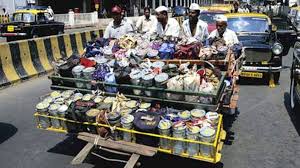
By early afternoon, lunchboxes reach office districts such as Nariman Point, Fort, and Lower Parel. Tour participants observe dabbawalas cycling or walking through crowded streets, delivering each dabba to the correct desk—often in multi-story office buildings.
The error rate of this system is famously low—often cited as one mistake in several million deliveries. For visitors, this challenges the assumption that advanced technology is required for operational excellence.
Culture, Discipline, and Shared Values
A Dabbawala tour also reveals the strong cultural foundation behind the system. Most dabbawalas come from the Varkari community of Maharashtra and follow shared values of discipline, humility, and service. Many wear traditional white attire and Gandhi caps, reinforcing a sense of identity and equality.
There are no hierarchies in the conventional sense. Decisions are collective, accountability is shared, and profits are distributed evenly. Tourists often find this cooperative model refreshing in a world dominated by corporate competition.
What Makes the System So Efficient?
Tour guides often explain that the success of the dabbawala network comes down to five core principles:
- Standardization – Every process follows the same rules
- Specialization – Each worker has a defined role
- Accountability – Errors affect the entire group
- Time discipline – Deadlines are sacred
- Trust – The system depends on mutual reliability
Seeing these principles in action helps visitors understand why global institutions like business schools frequently study the dabbawala model.
Afternoon Return Journey
After lunch, the process reverses. Empty lunchboxes are collected, sorted, and sent back to homes by evening. Tourists watching this cycle gain a full picture of how a single dabba completes its daily journey across Mumbai—often covering 60–70 kilometers.
Why Tourists Find the Experience Unforgettable
Unlike traditional attractions, a Dabbawala tour offers real-world learning. Visitors walk away with insights into logistics, teamwork, sustainability, and human ingenuity. Many travelers describe it as one of the most intellectually rewarding experiences in Mumbai.
More importantly, the tour fosters respect for the invisible workforce that keeps cities running smoothly.
A Lesson Beyond Tourism
What you’ll see on a Dabbawala tour goes far beyond lunch delivery. You’ll witness how simplicity can outperform complexity, how culture strengthens systems, and how human efficiency—when rooted in discipline and cooperation—can achieve extraordinary results.
For curious travelers, the Dabbawalas are not just a Mumbai icon—they are a global lesson in how work, culture, and precision can come together seamlessly.