
Located in the heart of the city, Mumbai Dhobi Ghat is one of the most fascinating yet lesser-known attractions in Mumbai. Often photographed from nearby bridges or trains, this iconic site is far more than a visual landmark. A Mumbai Dhobi Ghat tour offers a rare behind-the-scenes look at a working community that has supported the city for more than a century.
For travelers looking for an authentic cultural experience, visiting Dhobi Ghat Mumbai provides insight into traditional labour systems that still function efficiently in a modern megacity.
For travelers seeking an authentic cultural experience, a visit to Mumbai Dhobi Ghat offers rare insight into traditional labor practices that continue to thrive in a modern megacity.
What Makes Mumbai Dhobi Ghat So Unique?
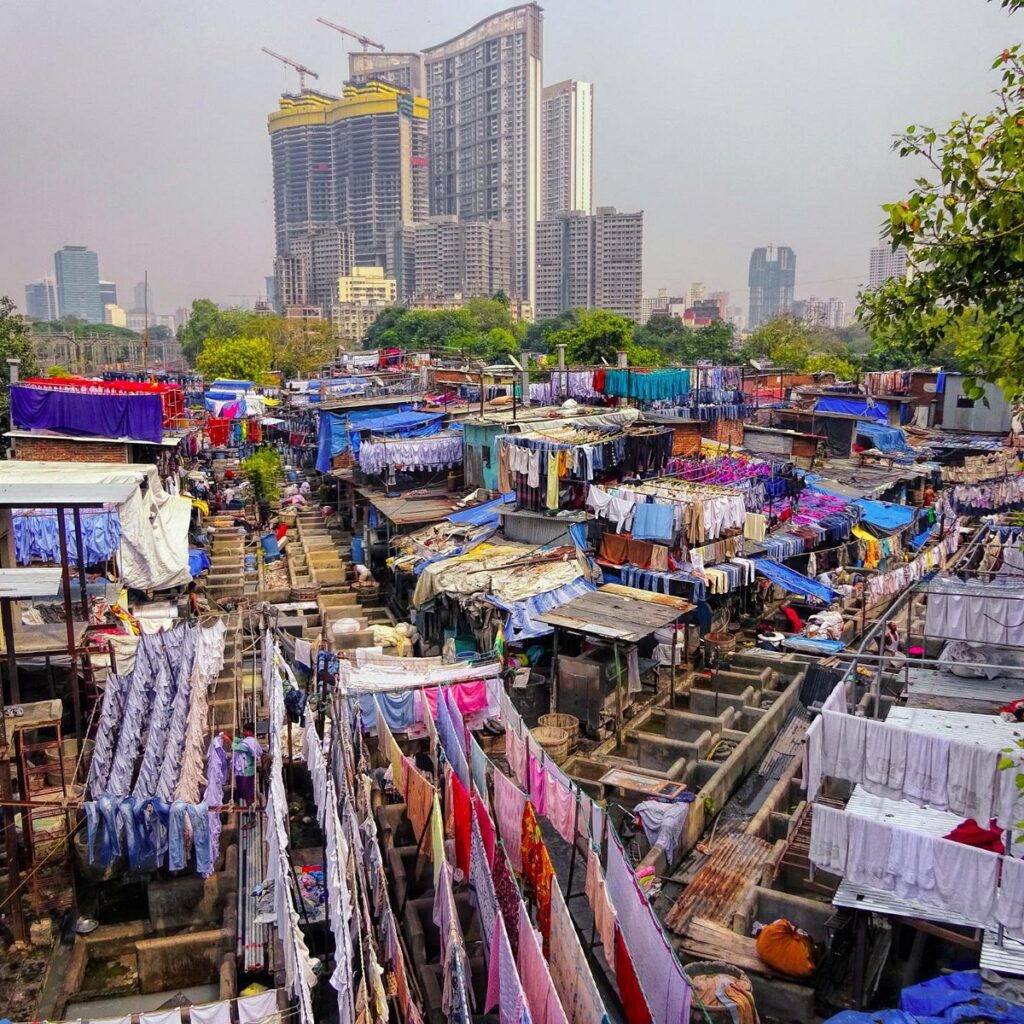
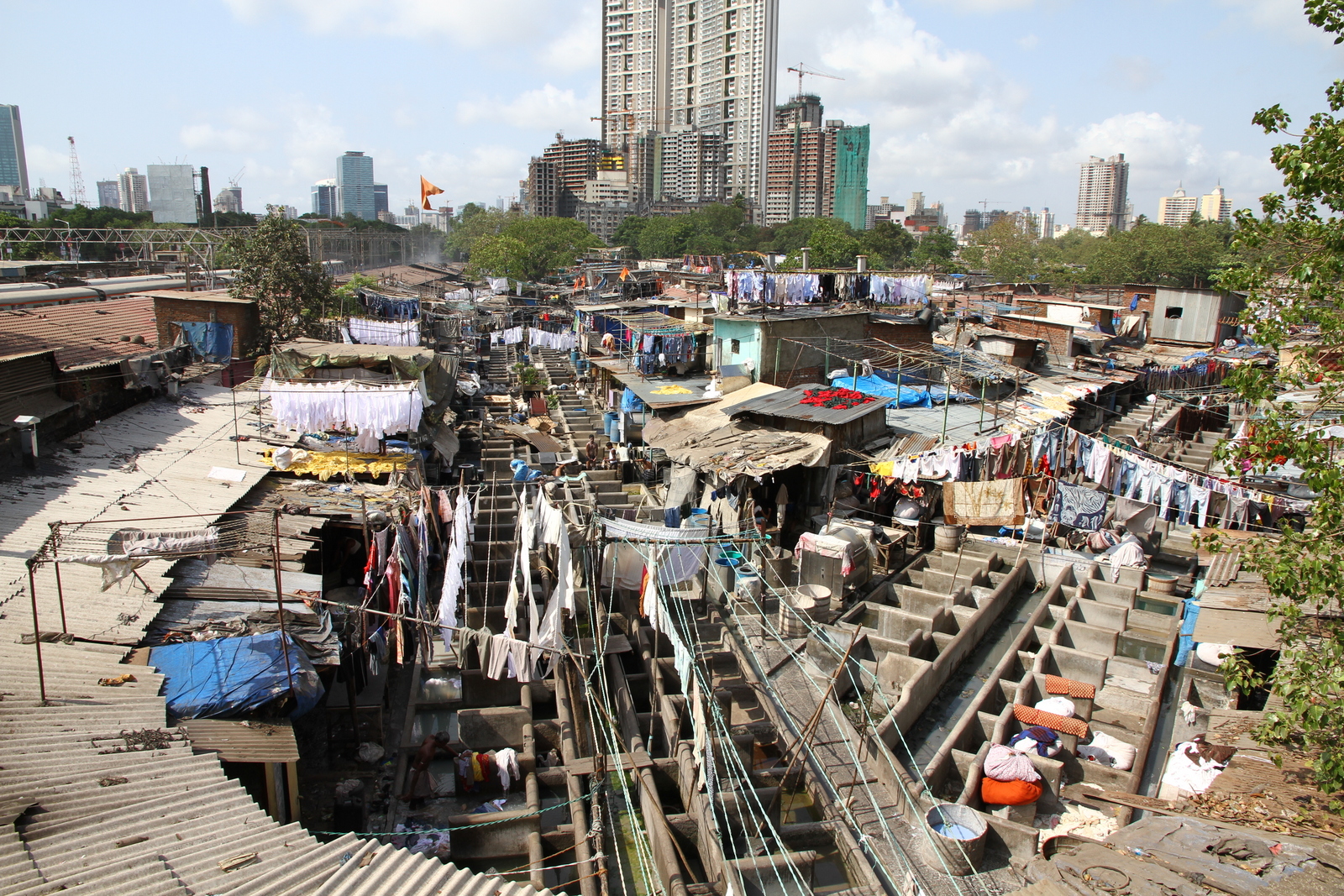
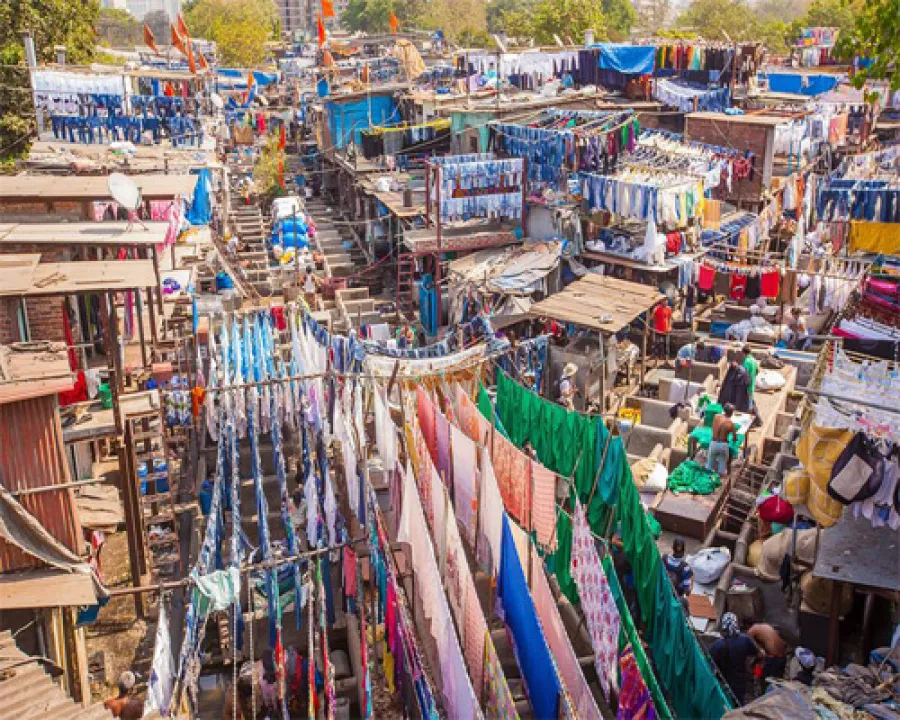
Mumbai Dhobi Ghat is widely recognised as the world’s largest open-air laundry. Located near Mahalaxmi, it services thousands of households, hotels, hospitals, and businesses every day. Spread across several acres, the ghat consists of hundreds of concrete washing pens arranged in organised rows.
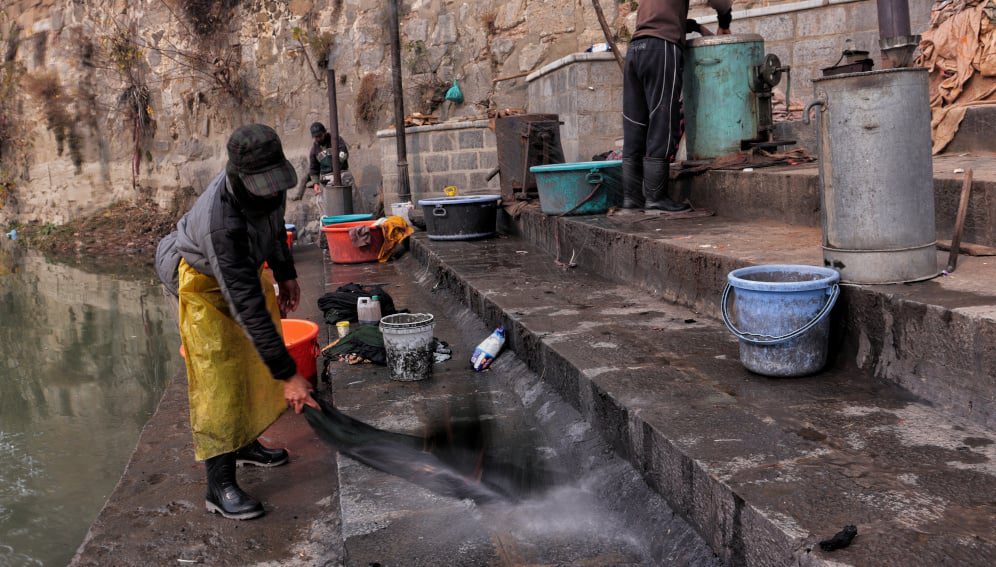
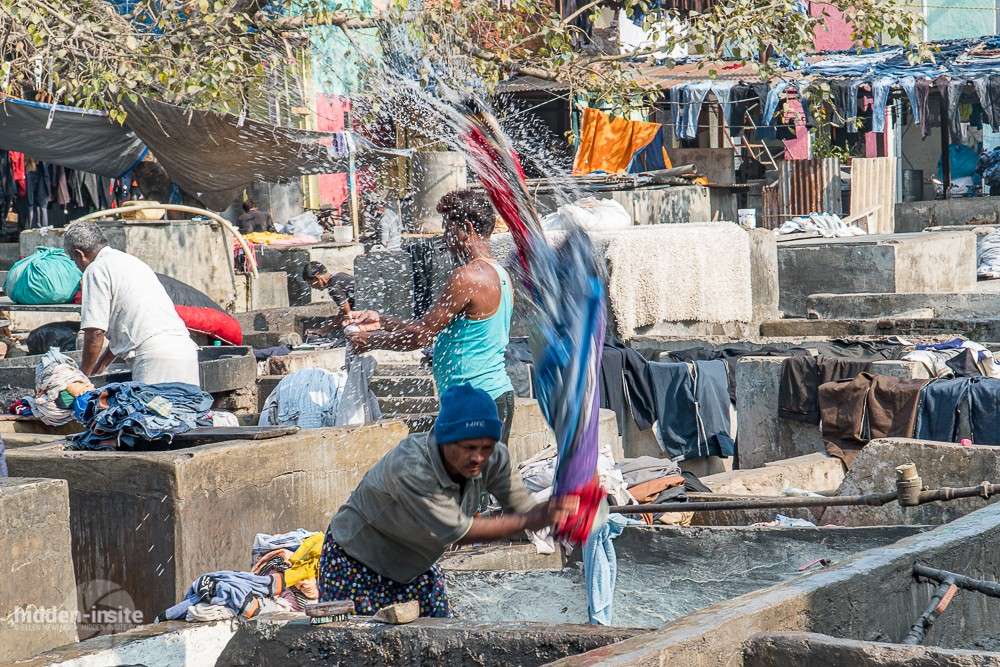
Each washing pen belongs to a dhobi family, many of whom have worked here for generations. From above, the view is unforgettable—long lines of colourful clothes drying in the sun, rhythmic movements of workers washing by hand, and an atmosphere full of coordinated effort.
A Day Behind the Scenes at Dhobi Ghat
What makes Mumbai Dhobi Ghat truly unique is its human efficiency. Despite limited use of modern machines, the system operates with remarkable accuracy. Laundry from luxury hotels is rarely mixed up, and delivery deadlines are consistently met.
Most dhobis come from families that migrated to Mumbai decades ago, mainly from Maharashtra and Uttar Pradesh. Skills and responsibilities are passed down through generations, creating a strong sense of pride and identity. For many visitors, interacting respectfully with the dhobis becomes the most meaningful part of the Mumbai laundry tour.
The Human Network Behind the Laundry
What truly sets Mumbai Dhobi Ghat apart is its human efficiency. Despite operating without modern machinery, the system functions with remarkable accuracy. Clothes from five-star hotels are rarely mixed up, and deadlines are consistently met.
Most dhobis belong to families that migrated to Mumbai decades ago, primarily from Maharashtra and Uttar Pradesh. Skills are passed down through generations, creating a strong sense of identity and pride in their work. For visitors, interacting respectfully with dhobis often becomes the most memorable part of the tour.
Economic and Cultural Significance
Beyond washing clothes, Dhobi Ghat represents Mumbai’s informal economy at its best. Thousands of people earn livelihoods directly or indirectly—from transport workers and detergent suppliers to iron vendors and nearby food sellers.
Culturally, the ghat symbolises Mumbai’s resilience. While many traditional industries have disappeared due to automation, Dhobi Ghat continues to survive by adapting. Some dhobis now use semi-mechanised washing machines for bulk laundry while preserving traditional methods for delicate fabrics.
Why Tourists Are Drawn to Dhobi Ghat
For travelers, Mumbai Dhobi Ghat is not just a sightseeing stop—it’s an educational experience. Visitors gain a deeper appreciation for manual labor, urban systems, and the invisible workforce that keeps a city functioning.
Responsible guided tours focus on observation, explanation, and cultural sensitivity. They emphasize that this is a working community, not a display, helping tourists understand the balance between curiosity and respect.
Photographers, in particular, are captivated by the textures, colors, and movement within the ghat. However, most tours advise asking permission before taking close-up photographs.
A Living Heritage in a Modern City
In a city defined by skyscrapers, local trains, and constant change, Mumbai Dhobi Ghat stands as a reminder that tradition still has a place. It shows how collective effort, skill, and routine can create an operation that rivals modern logistics in scale and reliability.
For those willing to look beyond the surface, a behind-the-scenes look at Mumbai Dhobi Ghat reveals not just how laundry is done, but how communities survive, adapt, and thrive in one of the world’s busiest cities.