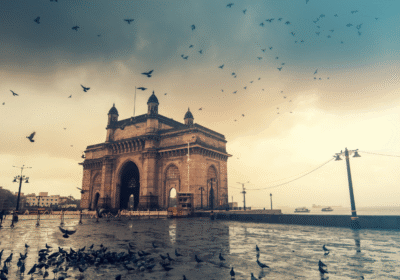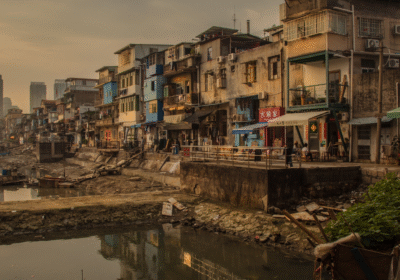

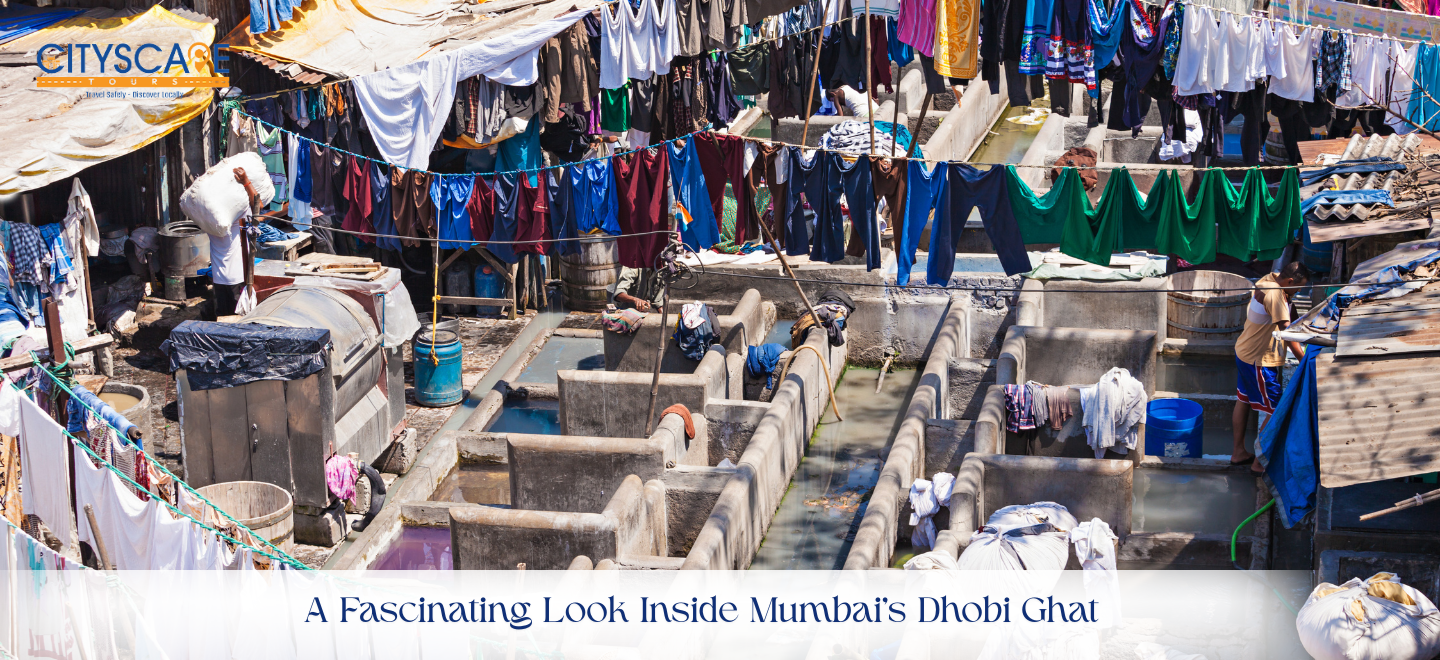
Mumbai is a city known for its energy, contrasts, and remarkable stories of everyday life. Among its many iconic landmarks, Dhobi Ghat stands out as one of the most fascinating cultural experiences for visitors. Located near Mahalaxmi Station, this century-old open-air laundry is the largest of its kind in the world, and it showcases the hard work, precision, and dedication of Mumbai’s washermen, known locally as dhobis.
Mumbai Dhobi Ghat is one of the city’s most fascinating cultural landmarks and offers visitors a rare look into the world’s largest open-air laundry system.
A tour of Dhobi Ghat is more than just watching people wash clothes — it is an immersive look into a unique community, a traditional occupation, and the logistics behind handling thousands of garments every single day. If you’re planning a visit, here’s exactly what to expect from a Dhobi Ghat tour in Mumbai.
A Living Heritage — History of Dhobi Ghat
Dhobi Ghat has existed since 1890 and was built during the British era as a place where laundry workers could wash clothes for colonial officers, hospitals, and local residents. Over time, it evolved into a full-scale laundry system that now services hotels, businesses, and households across Mumbai.
Despite the growth of modern washing machines and industrial laundries, Dhobi Ghat remains a thriving center of human skill and community tradition. Families here have passed down the profession for generations, making this location an important cultural landmark.
The First Look: Rows of Wash Pens and Bustling Activity
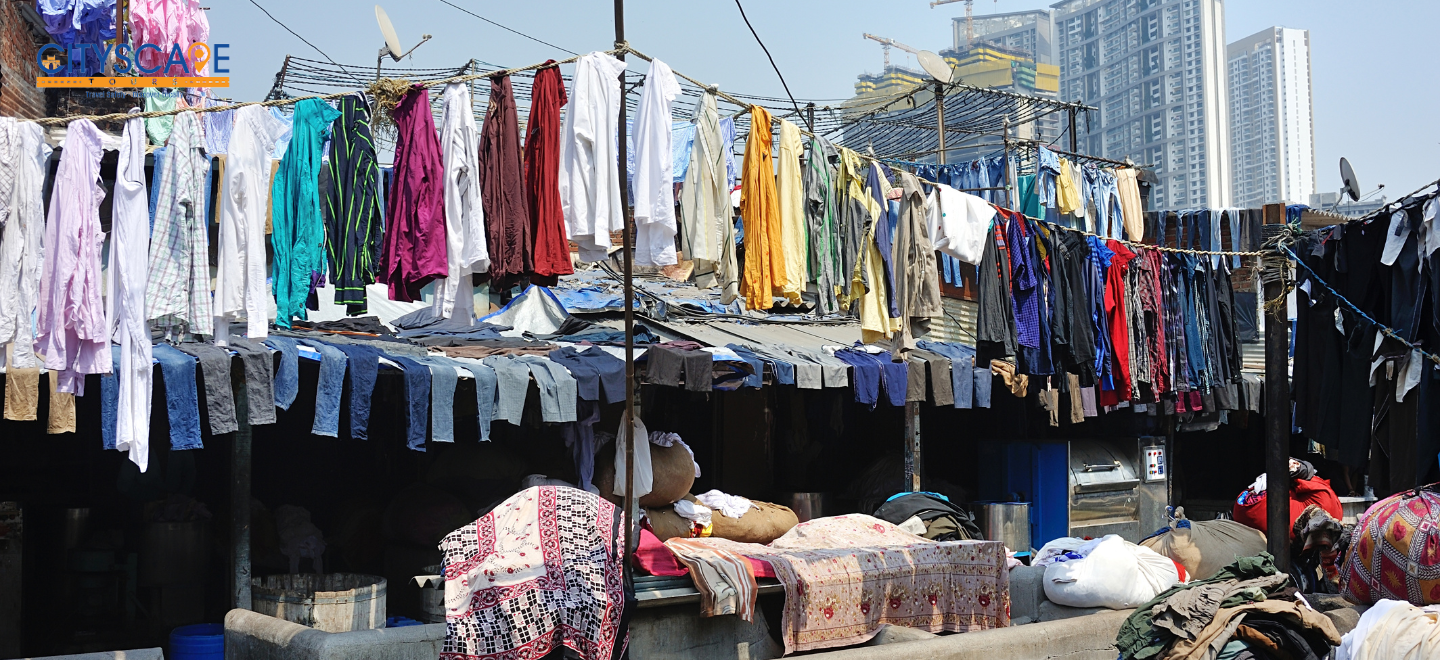
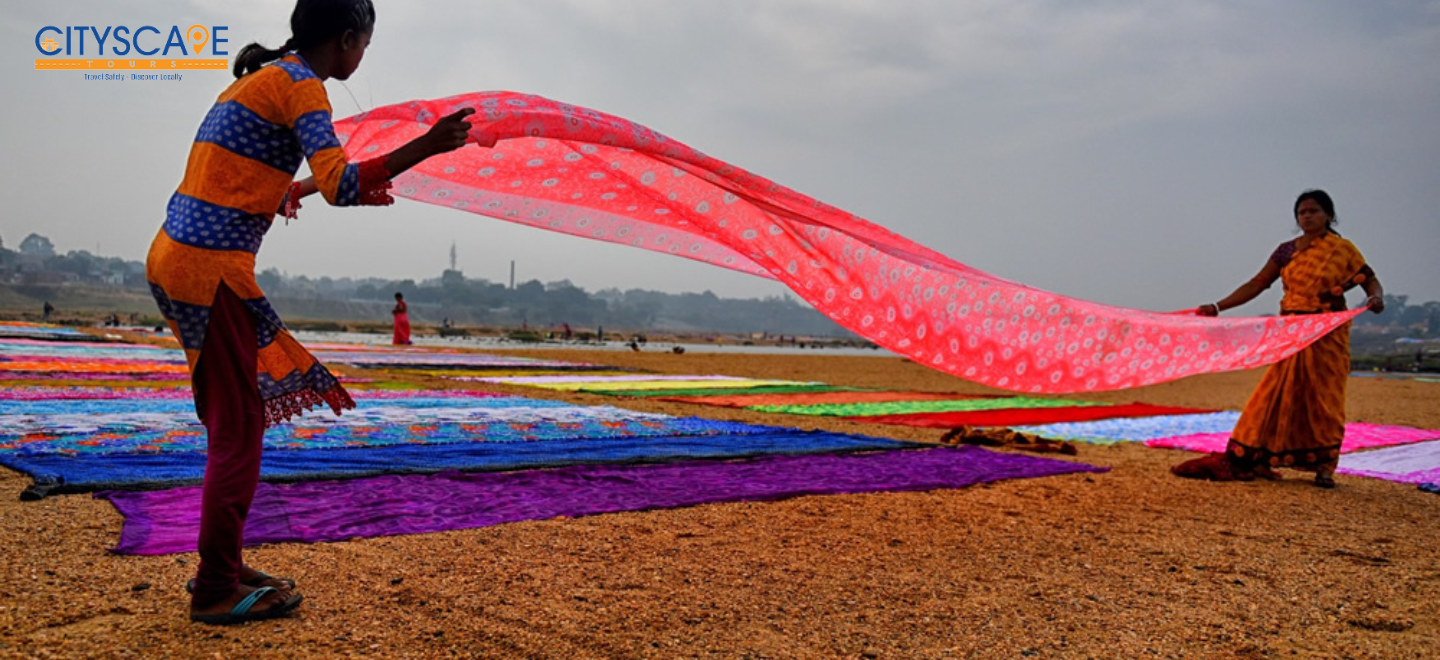
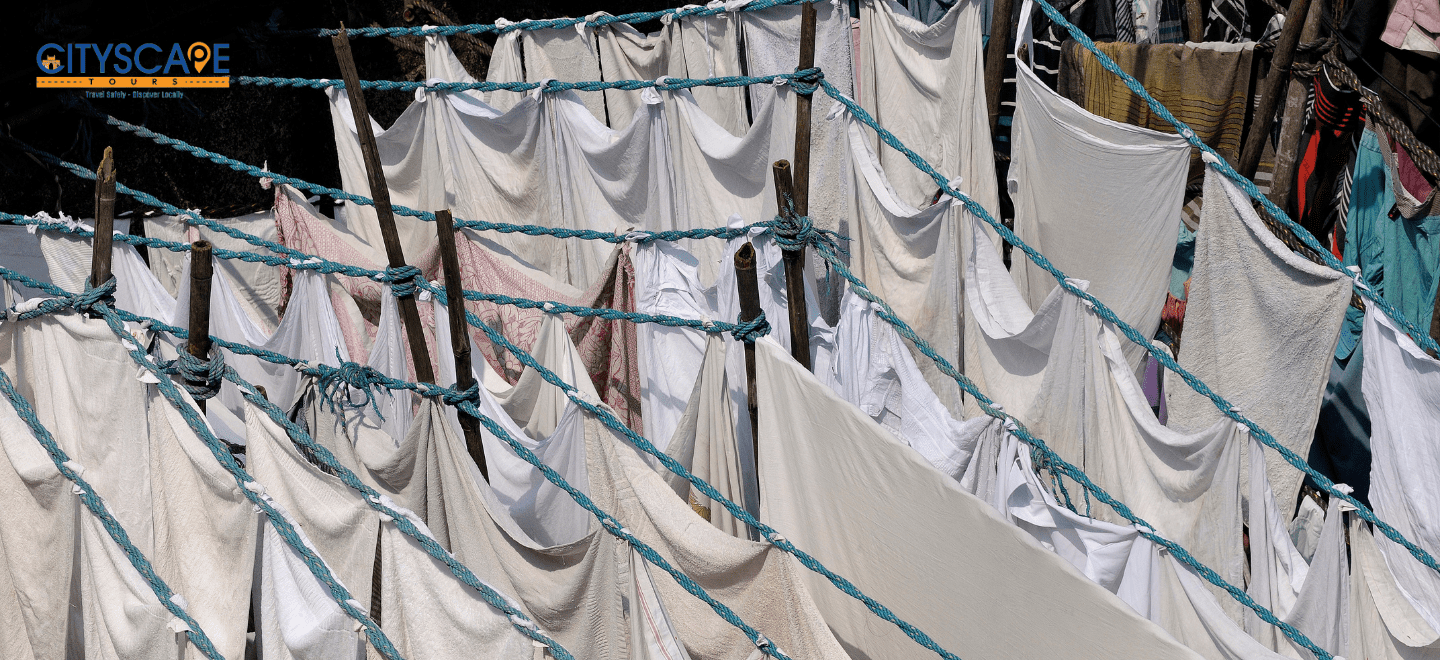
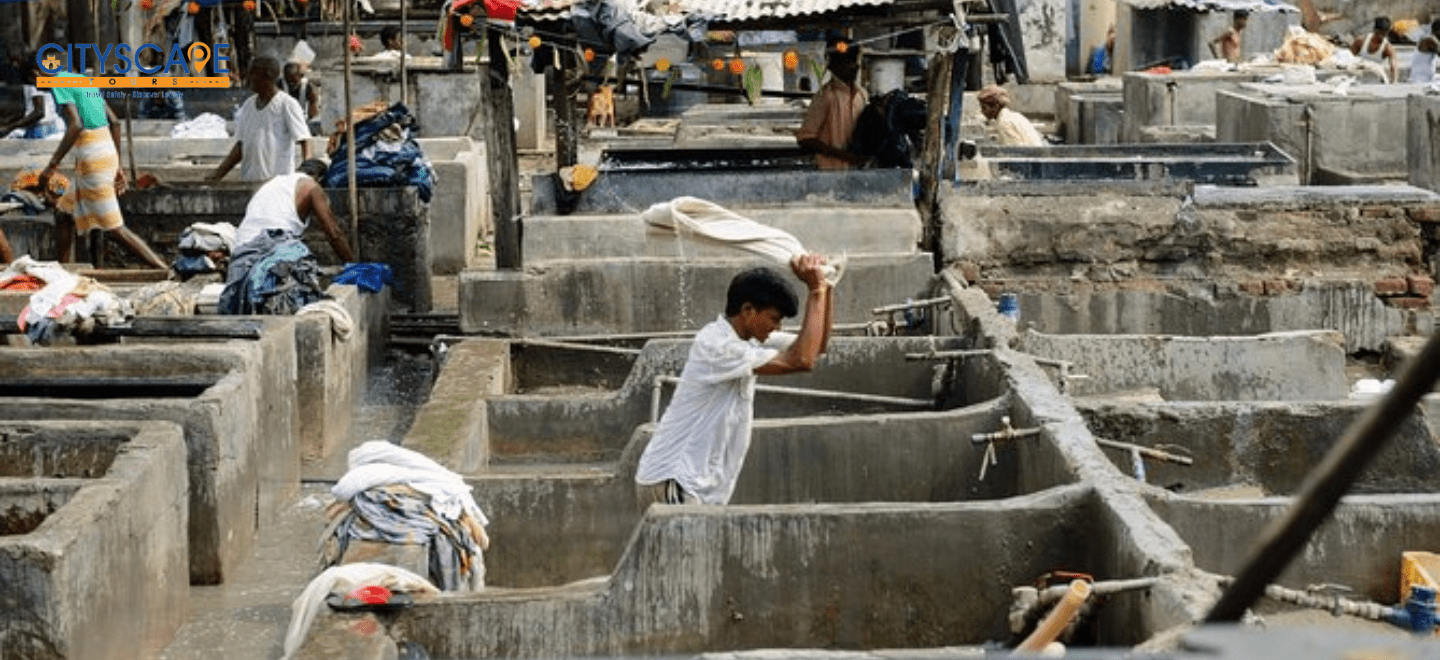
When visitors first arrive, the view is unlike anything they have ever seen. The sight of hundreds of concrete wash pens, each with its own flogging stone, creates a visually striking scene. Clothes of every color hang neatly across long lines, forming a vibrant backdrop for the work happening below.
The atmosphere is a blend of rhythmic movement and coordinated effort. Dhobis wash clothes, beat garments against stones, scrub uniforms, organize bundles, dye fabrics, and prepare deliveries — all with remarkable speed and focus. The system appears chaotic at first, but it is astonishingly organized.
Meeting the Dhobis: Understanding Their Skill and Precision
One of the highlights of a Dhobi Ghat tour is meeting the workers themselves. Many of them have been doing this job for decades and can wash hundreds of clothes daily with incredible efficiency.
What surprises visitors the most is the precision of their workflow.
Even without tagging machines or barcodes, the dhobis follow a proven manual method to ensure that each garment reaches its rightful owner. From sorting and soaking to beating, drying, ironing, and packaging — each step is carefully executed.
During the tour, guides often explain:
- How clothes are collected from all over Mumbai
- How bundles are sorted without mixing
- How dhobis track garments using symbols and knots
- How drying lines are positioned to catch the perfect sunlight
This insight into Mumbai’s traditional labour force is both educational and inspiring.

Watching the Washing Process Up Close
Visitors can observe the washing process from designated viewing points to ensure safety and respect for workers. The scene is active and fascinating:
1. Soaking and Scrubbing
Garments are first soaked in soapy water before being scrubbed by hand.
2. Flogging on the Stone
Dhobis rhythmically beat the clothes against stones to remove stains — a practice perfected through years of experience.
3. Rinsing
Clothes are rinsed thoroughly with clean water.
4. Drying on Long Lines
Hundreds of clothes flutter in the wind, creating a colourful display.
5. Ironing and Folding
Once dry, garments are pressed using heavy coal or electric irons.
6. Packing and Delivery
Everything is neatly packed and delivered back to homes, offices, and hotels.
The process is a true example of teamwork and discipline.
Paradise for Photographers
Dhobi Ghat is one of Mumbai’s most photographed locations. The contrast of bright textiles against the rugged wash pens offers countless opportunities for creative shots. Whether you’re a professional photographer or a casual visitor, you’ll find the setting visually captivating.
However, it’s important to be respectful and avoid intrusive photography without permission.
What Makes the Dhobi Ghat Tour Special?
Explore our guided Dhobi Ghat tour in Mumbai with experienced local guides.
- Authentic local experience: This is real Mumbai — hardworking people keeping the city running.
- Cultural insight: Learn about a profession that is over 130 years old.
- Human connection: Many visitors find the stories of dhobis deeply inspiring.
- Unique to Mumbai: No other city in the world has a laundry system of this scale.
A guided tour provides deeper understanding and ensures you explore respectfully while learning about the community’s challenges, traditions, and achievements.

Tips for Visitors
- Visit in the morning hours, when activity is at its peak.
- Wear comfortable clothing and stay hydrated.
- Ask before taking close-up photographs.
- Choose a guided tour for the best experience.

Final Thoughts
A visit to Dhobi Ghat is one of the most enlightening and memorable experiences in Mumbai. It reveals the city’s soul — hardworking, vibrant, resilient, and endlessly fascinating. Whether you’re a first-time visitor or returning traveller, this tour offers a powerful connection to Mumbai’s everyday life and the people who make the city function.
If you’re looking for an authentic cultural experience, the Dhobi Ghat tour is a must-do on your Mumbai itinerary.