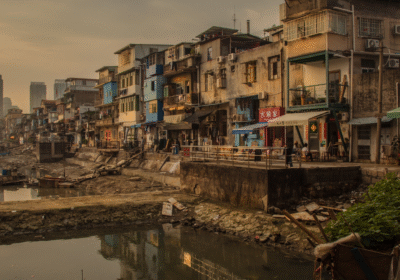

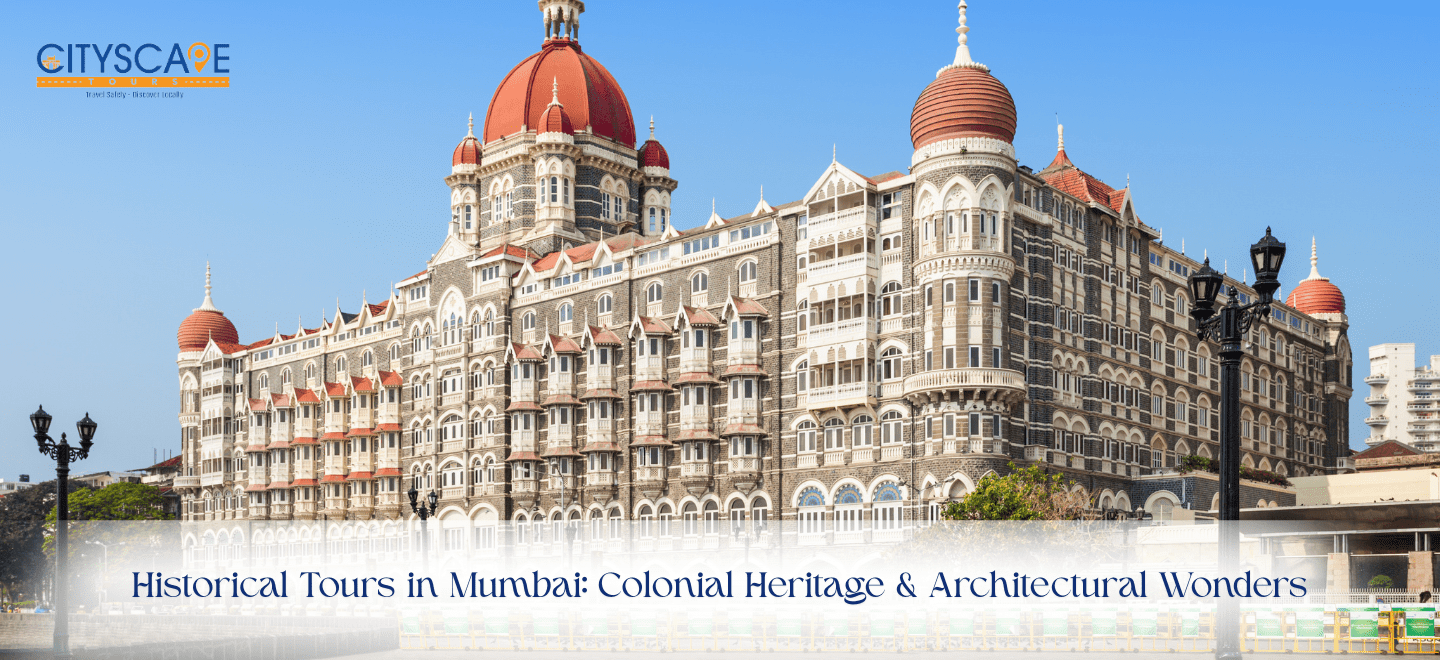
Mumbai, often described as the “City of Dreams,” is much more than its fast-paced lifestyle and glitzy skyline. Beneath the modern façade lies a rich tapestry of history that has shaped the city’s unique identity.
From grand colonial-era structures to old marketplaces and timeless landmarks, Mumbai tells its story through its architecture. A historical tour of Mumbai is like stepping into a living museum — where every building whispers tales of empires, trade, and transformation.
Whether you’re a history enthusiast, architecture lover, or curious traveler, exploring Mumbai’s colonial heritage offers an unforgettable glimpse into its glorious past.
1. The Birth of Modern Mumbai: A Blend of Cultures
Mumbai’s history is a fascinating mix of Portuguese, British, and Indian influences. Originally a cluster of seven islands, it came under Portuguese rule in the 16th century before being gifted to the British crown as part of the dowry of Catherine of Braganza when she married King Charles II of England. The British East India Company transformed these sleepy fishing villages into one of the most important port cities in Asia.
As the city developed, the British built grand institutions, railway stations, and administrative offices that still stand proudly today — showcasing Victorian Gothic, Indo-Saracenic, and Neo-Classical architectural styles. A historical tour of Mumbai allows you to walk through centuries of change — from colonial rule to modern India.
2. Gateway of India: The Iconic Monument of Empire
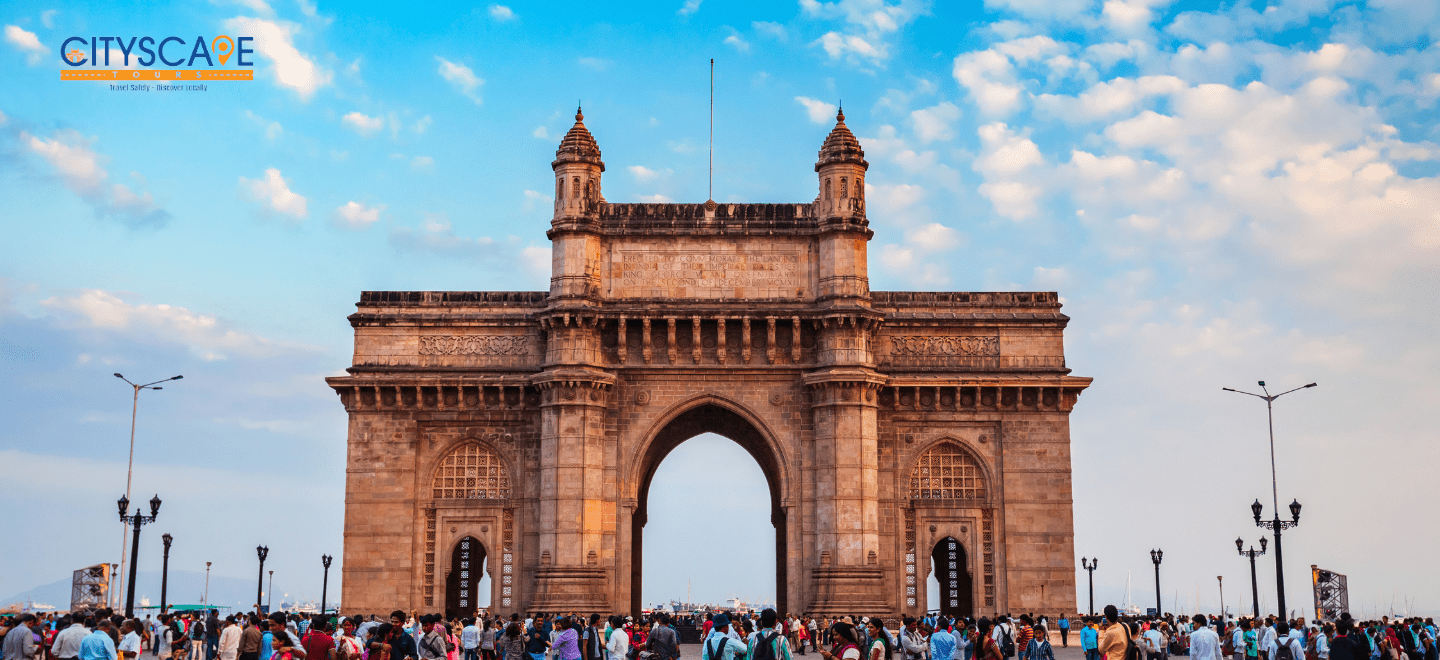
Any heritage tour of Mumbai begins at the Gateway of India, the city’s most recognizable landmark. Built in 1924 to commemorate the visit of King George V and Queen Mary, this majestic basalt arch faces the Arabian Sea and stands as a symbol of both the British Raj’s power and India’s eventual independence.
Ironically, it was also from this very gateway that the last British troops departed in 1948 — marking the end of British rule. Today, it’s a bustling spot for tourists and locals alike, offering spectacular sea views and access to the nearby Elephanta Caves, another UNESCO World Heritage Site steeped in ancient Indian history.
3. Chhatrapati Shivaji Maharaj Terminus (CST): A UNESCO World Heritage Marvel
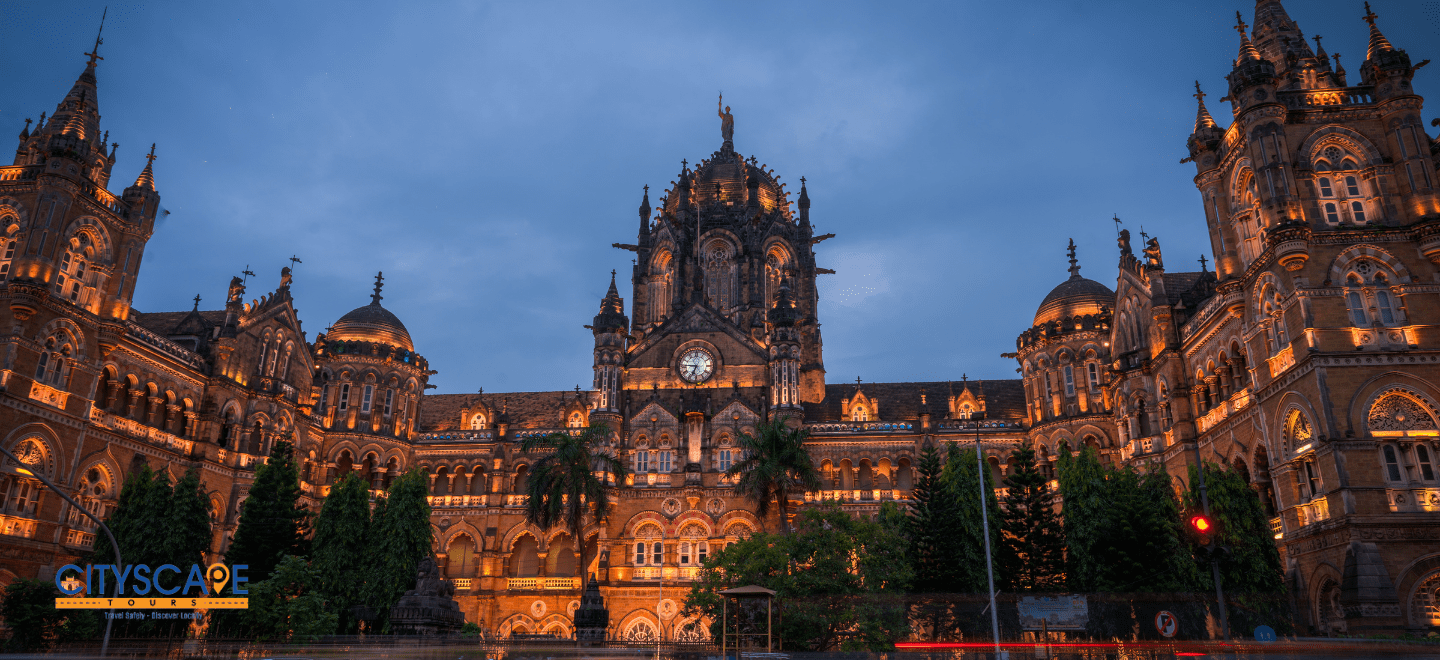
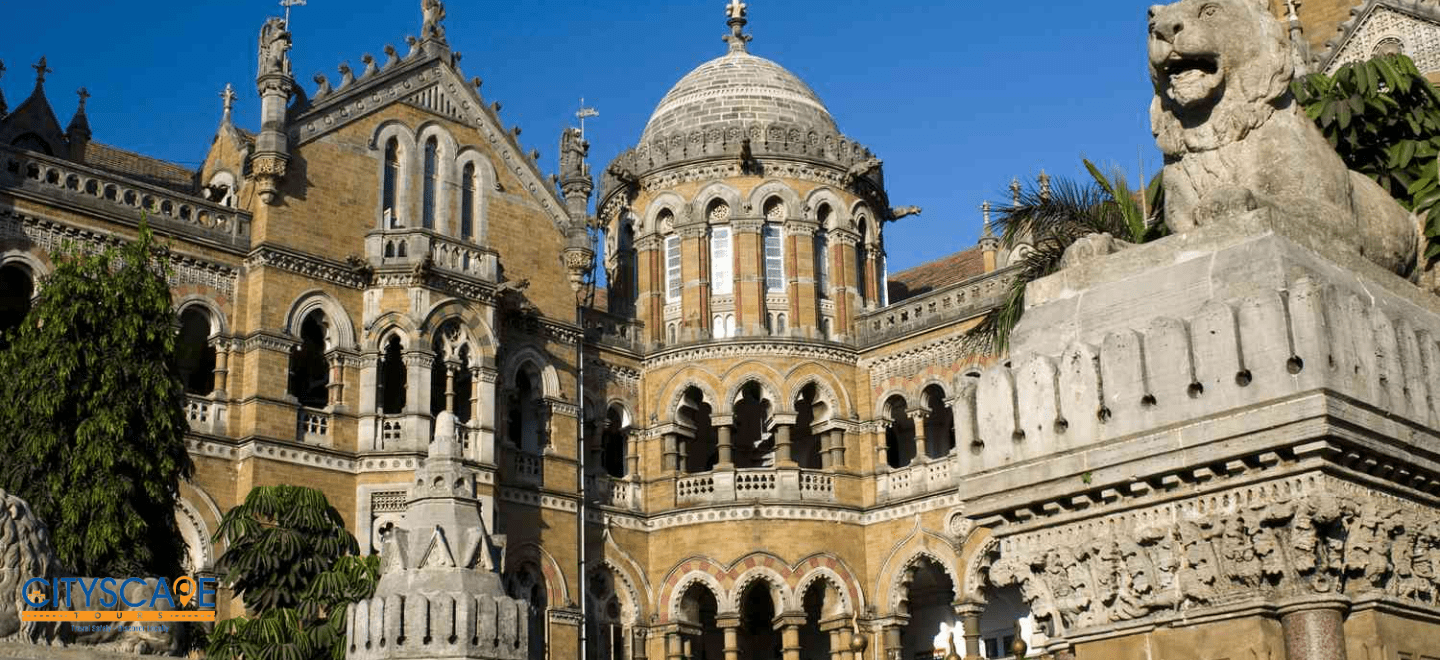
Perhaps no other building captures Mumbai’s architectural grandeur like Chhatrapati Shivaji Maharaj Terminus (formerly Victoria Terminus). Designed by British architect Frederick William Stevens and completed in 1888, CST is a masterpiece of Victorian Gothic Revival style infused with Indian decorative elements.
With its high domes, stained-glass windows, carved stone figures, and bustling platforms, the station remains both a functional transit hub and an architectural wonder. A guided historical tour here reveals intricate details — from the lion and tiger sculptures representing Britain and India, to the ornate ironwork and clock tower that have watched over millions of commuters for more than a century.
4. Fort Area: The Colonial Heart of Mumbai
The Fort area, named after the old British-built Fort George, is the historical core of South Mumbai. Walking through its narrow lanes feels like time travel — colonial-era buildings line the streets, housing everything from banks and trading houses to cafés and galleries.
Don’t miss the Asiatic Society Library, with its iconic Greco-Roman columns and grand stairway, or the Bombay High Court, a Gothic structure that could easily belong in medieval Europe. The Rajabai Clock Tower, located within the University of Mumbai campus, is another jewel — modeled after London’s Big Ben and adorned with intricate carvings.
5. The Victorian Art District: Kala Ghoda
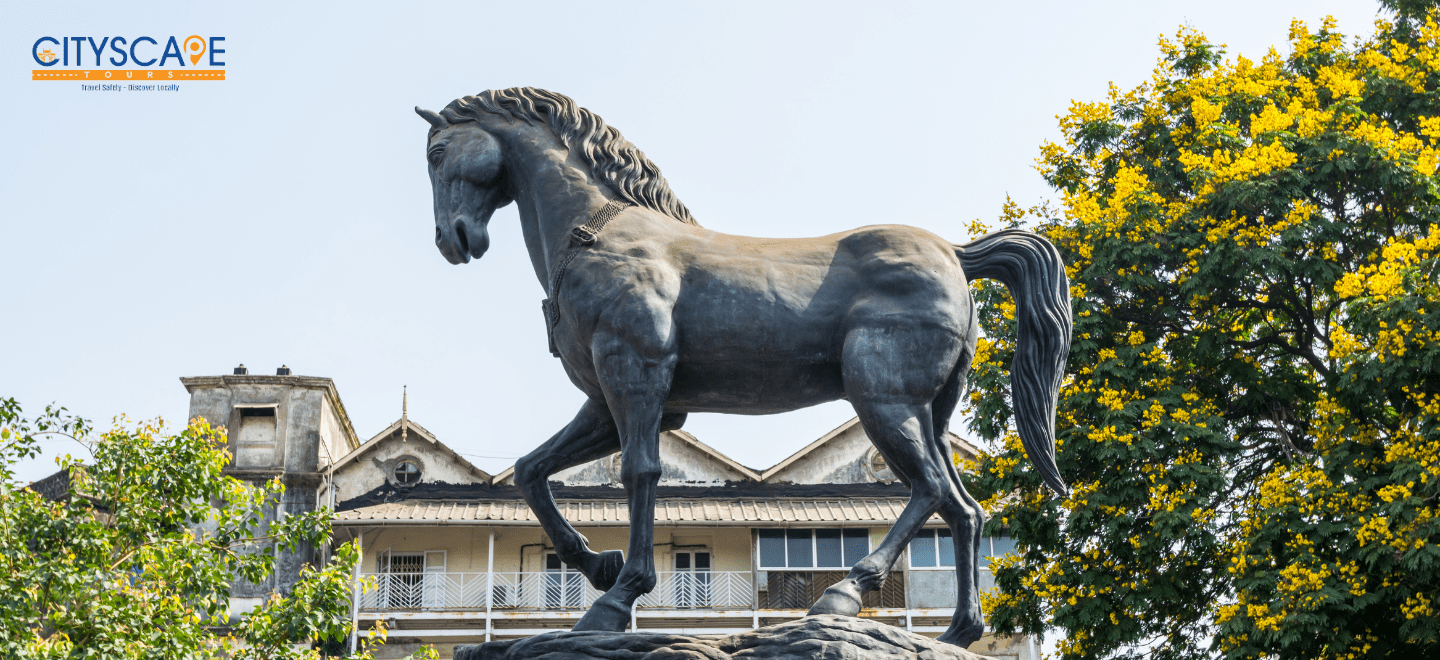
A short stroll from Fort leads you to Kala Ghoda, Mumbai’s cultural and artistic hub. During the British era, this district was home to several prominent institutions — including the Prince of Wales Museum (now Chhatrapati Shivaji Maharaj Vastu Sangrahalaya) and the Jehangir Art Gallery. The area’s colonial buildings feature a mix of Gothic and Indo-Saracenic design, with intricate arches, domes, and turrets that reflect the fusion of East and West.
Today, Kala Ghoda retains its historical charm while being a vibrant center for art, culture, and heritage festivals. It’s the perfect stop for those who appreciate history through creative expression.
6. Beyond the Colonial Past: Preserving Mumbai’s Legacy
While Mumbai’s skyline grows with futuristic skyscrapers, efforts are ongoing to preserve its colonial-era treasures. Many local tour companies, including Cityscape Mumbai Tours, curate specialized heritage walks that bring these stories to life. Trained guides share anecdotes, historical facts, and lesser-known tales — from the secrets of old trading houses to the legends behind statues and street names.
These tours are not just about sightseeing; they’re about connecting with Mumbai’s soul. Each monument, each facade, and each cobblestone lane speaks of the people who built, lived, and dreamed here.
7. Planning Your Historical Tour
If you’re planning to explore Mumbai’s colonial heritage:
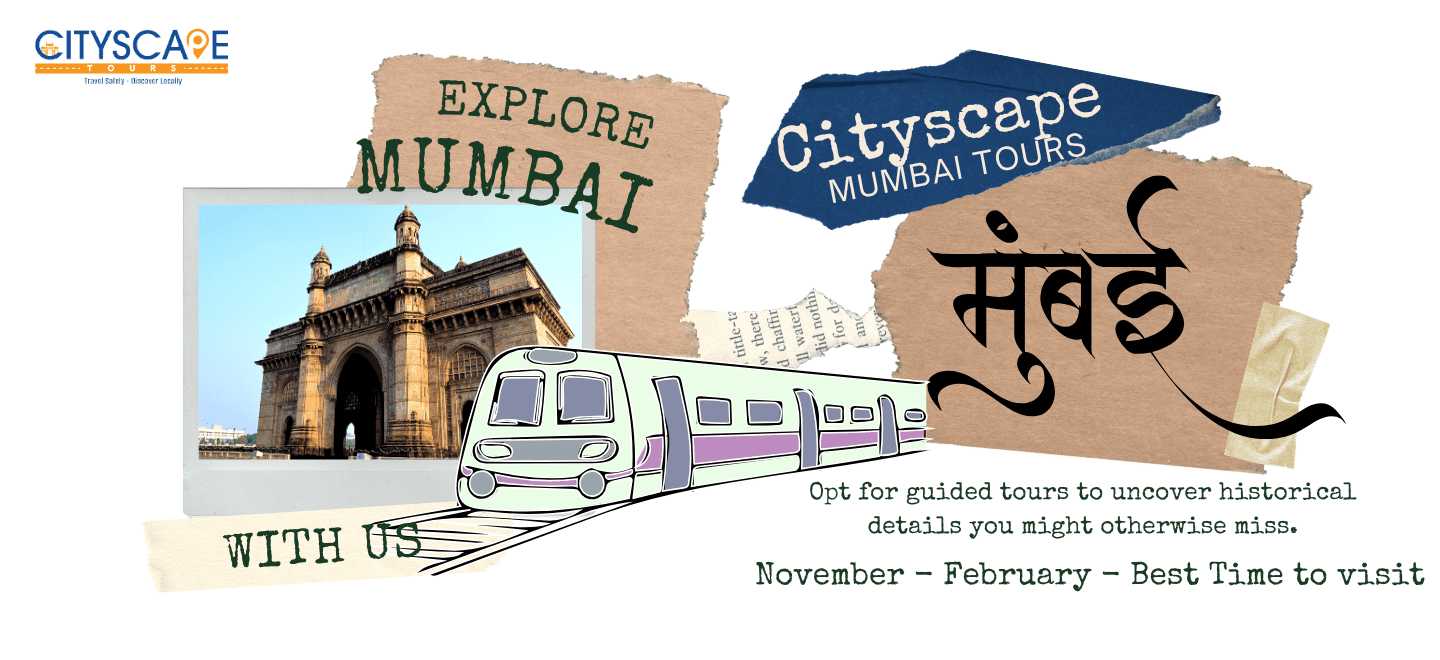
- Best Time to Visit: November to February offers pleasant weather for walking tours.
- Duration: A half-day (4-hour) or full-day tour can cover major landmarks comfortably.
- Tip: Opt for guided tours to uncover historical details you might otherwise miss.
Wear comfortable shoes, carry a bottle of water, and keep your camera ready — every corner of this city tells a story worth capturing.
Conclusion
Mumbai’s historical tours are more than just a look into the past — they’re a journey through time, architecture, and culture. From the majestic Gateway of India to the intricately designed CST and the atmospheric lanes of Fort and Kala Ghoda, every step reveals another layer of Mumbai’s colonial legacy.
So, the next time you’re in Mumbai, don’t just rush through its bustling streets — pause, look up, and listen to the whispers of history echoing through its grand old walls.
Experience Mumbai’s colonial heritage with Cityscape Mumbai Tours — where every tour is a story waiting to be told.
Read thousands of verified guest reviews on our Tripadvisor page