
From the film sets of Bollywood to the narrow lanes of Dharavi — best explored through a guided Bollywood experience or an insightful Dharavi walking tour Mumbai embodies every shade of human ambition and resilience.
Mumbai, a city that glitters and grinds in equal measure — is a place where dreams are born and broken every day. It’s a city of contradictions: of billionaires and slum dwellers, colonial charm and modern skylines, rickshaws and Rolls Royces. Yet, beneath its chaos, Mumbai runs on a pulse that’s unmistakably alive — a rhythm that unites everyone who calls it home.
From the film sets of Bollywood to the narrow lanes of Dharavi, from the colonial heritage of South Mumbai to the hip cafes of Bandra, Mumbai embodies every shade of human ambition and resilience. It’s not just a city — it’s an emotion, a story constantly being rewritten.
Let’s explore the many faces of Mumbai — a metropolis of dreams, diversity, and determination.
The Glamour of Bollywood: Mumbai’s Beating Heart
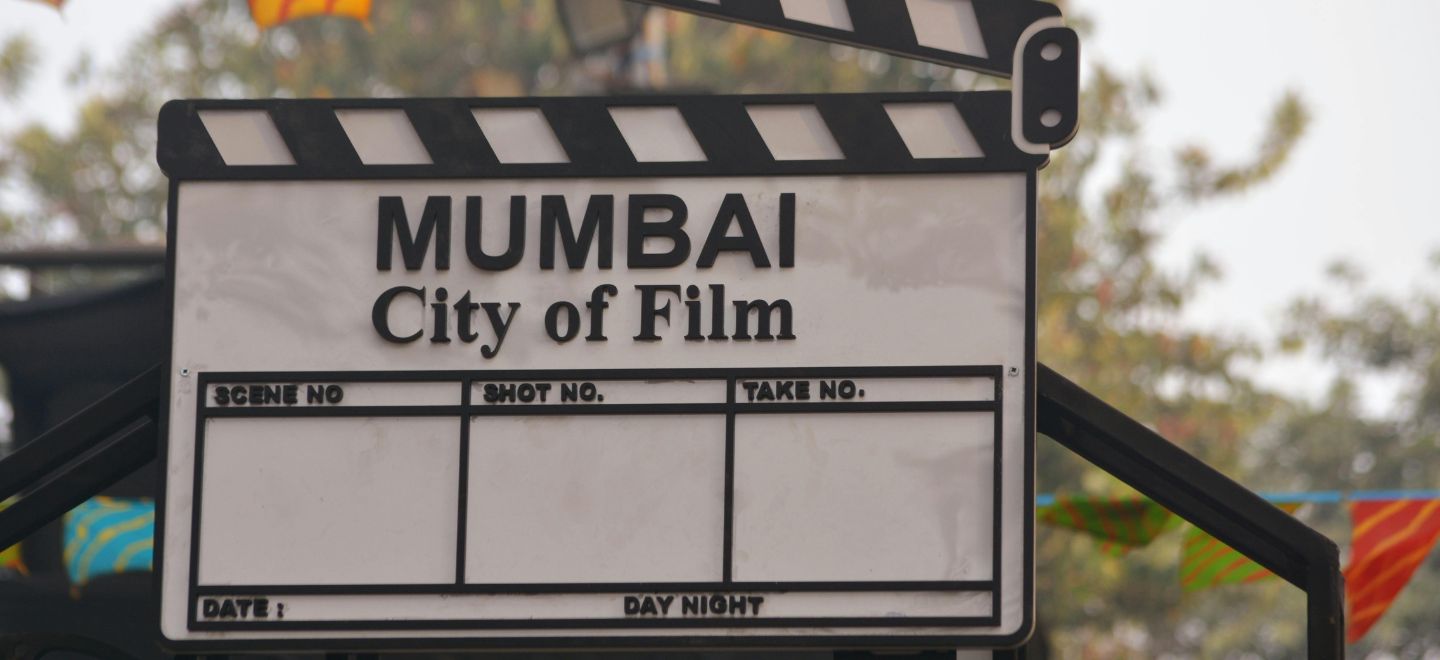
No other city in India can claim a cultural identity as strong as Bollywood, Mumbai’s cinematic soul. Every year, thousands flock here with dreams of stardom — aspiring actors, dancers, screenwriters — all hoping for that one chance to make it big.
Take a Bollywood studio tour in Film City (Goregaon), where massive sets recreate everything from royal palaces to bustling markets. You might stumble upon a live shoot — lights flashing, directors shouting “Action!”, and actors delivering dramatic lines under the hot sun.
For travelers, it’s not just about movie-making; it’s about witnessing how fantasy and reality intertwine. Bollywood is more than entertainment — it’s Mumbai’s mirror, reflecting the hopes and struggles of millions.
Want to feel the city’s film fever? Catch a movie at an iconic single-screen theater like Regal (Colaba) or Maratha Mandir (Mumbai Central) — where Dilwale Dulhania Le Jayenge has played continuously for decades. You’ll hear audiences cheer, whistle, and cry — because here, cinema is a shared experience, not just a pastime.
Colonial Charm and Heritage Streets
Mumbai’s story began long before the cameras rolled. The southern part of the city still carries the grandeur of its colonial past — a living museum of Victorian, Gothic, and Indo-Saracenic architecture.
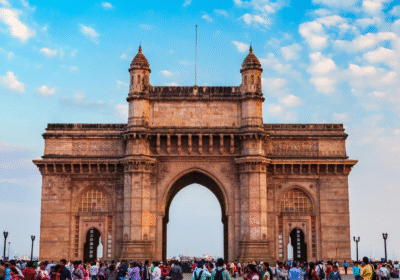
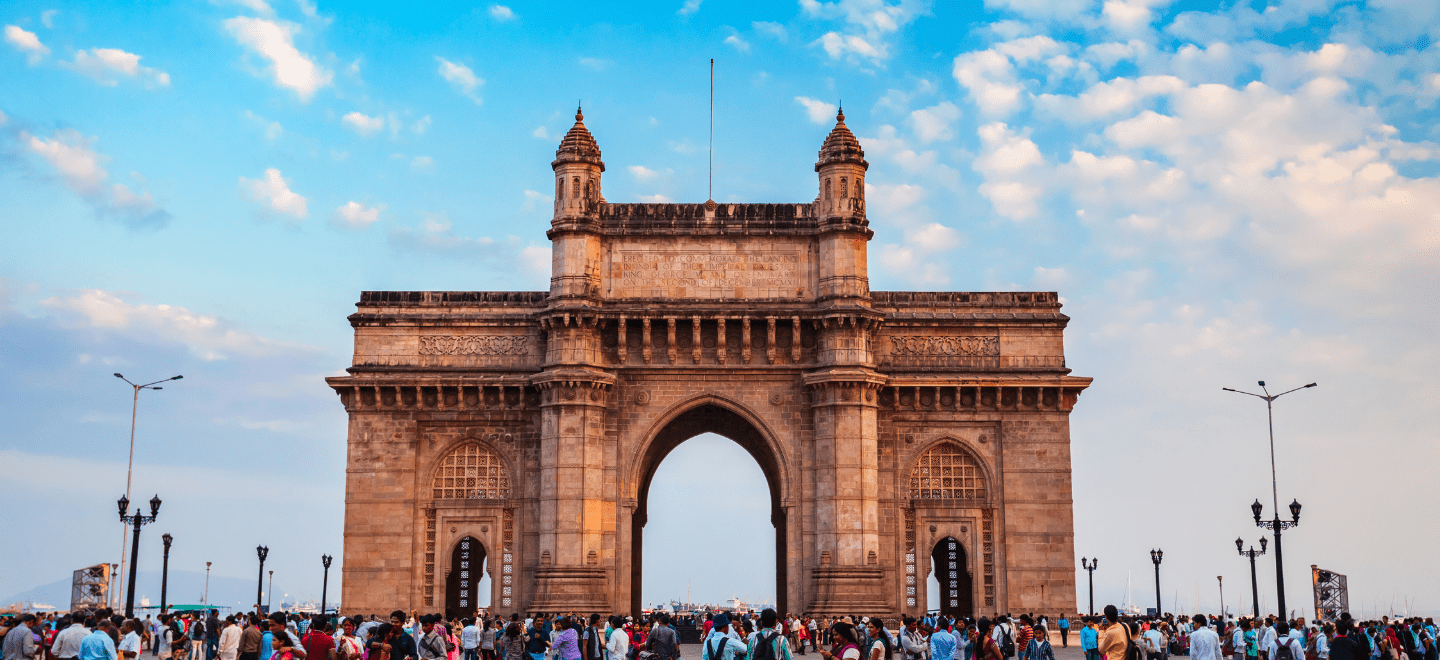
Start your walk at the Gateway of India, built in 1924 to commemorate a royal visit. Across the road stands the majestic Taj Mahal Palace Hotel, a symbol of luxury and resilience, famously rebuilt after the 2008 attacks.
Wander deeper into Fort and Kala Ghoda, where cobbled lanes are lined with art galleries, bookstores, and century-old cafés. Stop by Jehangir Art Gallery or Chhatrapati Shivaji Maharaj Vastu Sangrahalaya (Prince of Wales Museum) for a glimpse into Mumbai’s artistic and historical heritage.
The area comes alive during the Kala Ghoda Arts Festival, when murals, installations, and performances transform the streets into an open-air gallery. It’s proof that Mumbai’s creative heart beats as strongly as its financial one.
The Skyline of Ambition: South to Suburban Mumbai
Look up, and you’ll see another side of Mumbai — the one made of glass and steel. High-rises dominate the skyline, especially in Lower Parel, Worli, and Bandra-Kurla Complex (BKC) — symbols of the city’s unstoppable economic growth.
These neighborhoods are home to modern Mumbai — multinational offices, rooftop lounges, and luxury apartments. Yet, amid this cosmopolitan lifestyle, you’ll find small temples tucked between skyscrapers, street vendors selling chai, and taxi drivers sharing gossip over cutting tea.
This juxtaposition — old and new, rich and humble — is what makes Mumbai endlessly fascinating. It’s a city constantly evolving, yet never forgetting its roots.
Dharavi: The Heartbeat of Resilience
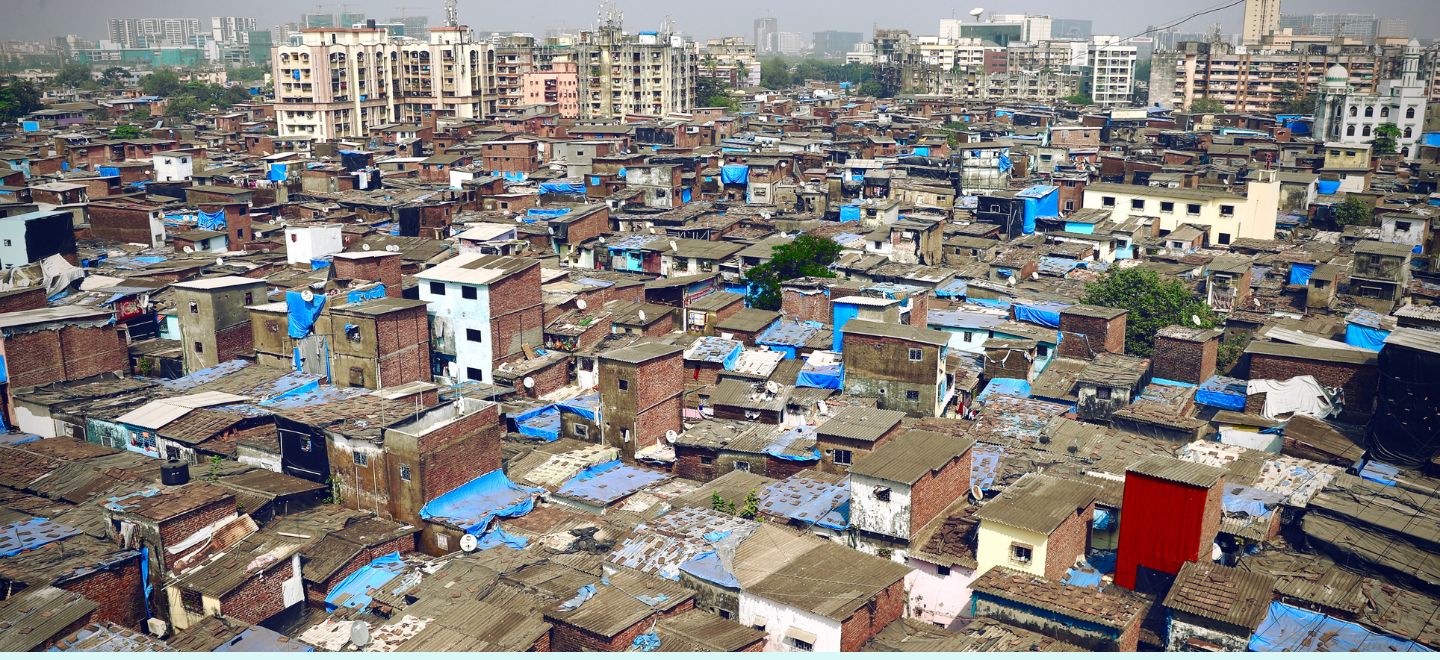
If Bollywood is the dream, Dharavi is the determination behind it. Often misrepresented as just one of Asia’s largest slums, Dharavi is, in reality, a thriving ecosystem of small-scale industries and incredible human spirit.
Spread over 2.1 square kilometers, Dharavi is home to nearly a million people — potters, leather craftsmen, recyclers, bakers, and tailors — each contributing to an informal economy worth over $1 billion annually.
Take a guided walking tour (offered ethically by local organizations like Reality Tours & Travel) to understand its true character. You’ll see recycling workshops turning waste into wealth, vibrant homes painted in bright colors, and narrow alleys buzzing with laughter and productivity.
What you’ll realize is that Dharavi isn’t a story of poverty — it’s a story of perseverance, entrepreneurship, and hope. In its lanes, you’ll witness the same drive that fuels Mumbai itself: a relentless spirit to rise, no matter the odds.
The Spirit of the Sea: Mumbai’s Coastal Soul
Every Mumbaikar has a personal connection with the sea. It’s where people come to think, to breathe, to find calm amid chaos.
Marine Drive, with its sweeping arc of lights, offers a front-row seat to Mumbai’s skyline and sunsets that wash the city in gold. Nearby, Girgaon Chowpatty buzzes with families, street food vendors, and children playing in the sand.
Head further north to Juhu Beach, where the waves meet the scent of pav bhaji and roasted corn. Or visit Bandra Fort at dusk — where the sea meets the mighty Bandra-Worli Sea Link, an engineering marvel that bridges old and new Mumbai, both literally and symbolically.
For photographers and dreamers, Mumbai’s coastlines are the perfect canvas — endless horizons, shifting colors, and the hum of life that never quite goes silent.
Food: The Flavor of the City
Mumbai’s diversity finds its truest expression in its food. From fine-dining restaurants to roadside stalls, every corner offers a taste of the city’s melting pot of cultures.
Start with vada pav — Mumbai’s beloved street snack — or a buttery pav bhaji at Cannon opposite CST. Try Irani cafés like Kyani & Co or Yazdani Bakery for bun maska and chai that taste of nostalgia.
If you crave luxury, dine at The Table (Colaba) or Masque (Mahalaxmi) — where India’s best chefs reinterpret local ingredients in world-class ways.
And for a truly local experience, eat at Mohammed Ali Road during Ramadan or Khau Galli (Churchgate) on a busy evening. Here, food isn’t just nourishment — it’s celebration, community, and connection.
The Spirit That Unites It All
What ties all these faces together — Bollywood’s glitter, Dharavi’s grit, Marine Drive’s calm, and the markets’ madness — is the spirit of Mumbai.
It’s a city that never stops moving but always finds time to help. A place where strangers share umbrellas in the rain, where a dabbawala delivers 200,000 lunches with near-perfect precision, and where every person, no matter how rich or poor, believes tomorrow will be better.
Mumbai’s magic lies in its ability to hold contrasts — to be both dream and struggle, chaos and beauty. From the film sets to the slum alleys, from the sea breeze to the skyscrapers, the city teaches one lesson: you don’t live in Mumbai; you survive it, love it, and become part of it.
Because in Mumbai, every face — rich or poor, famous or unknown — has a story worth telling. And together, they make up the incredible mosaic of India’s City of Dreams.