
Mumbai is a city of striking contrasts — colonial era splendor rubbing shoulders with shantytowns, cutting-edge film studios beside ancient rock-cut caves, luxury promenades and street food alleys. For a first-time visitor, navigating the city’s layers can be overwhelming. Here’s a curated “top 10” list of must-visit places & experiences in Mumbai, along with tips and FAQs to help you make the most of your trip.
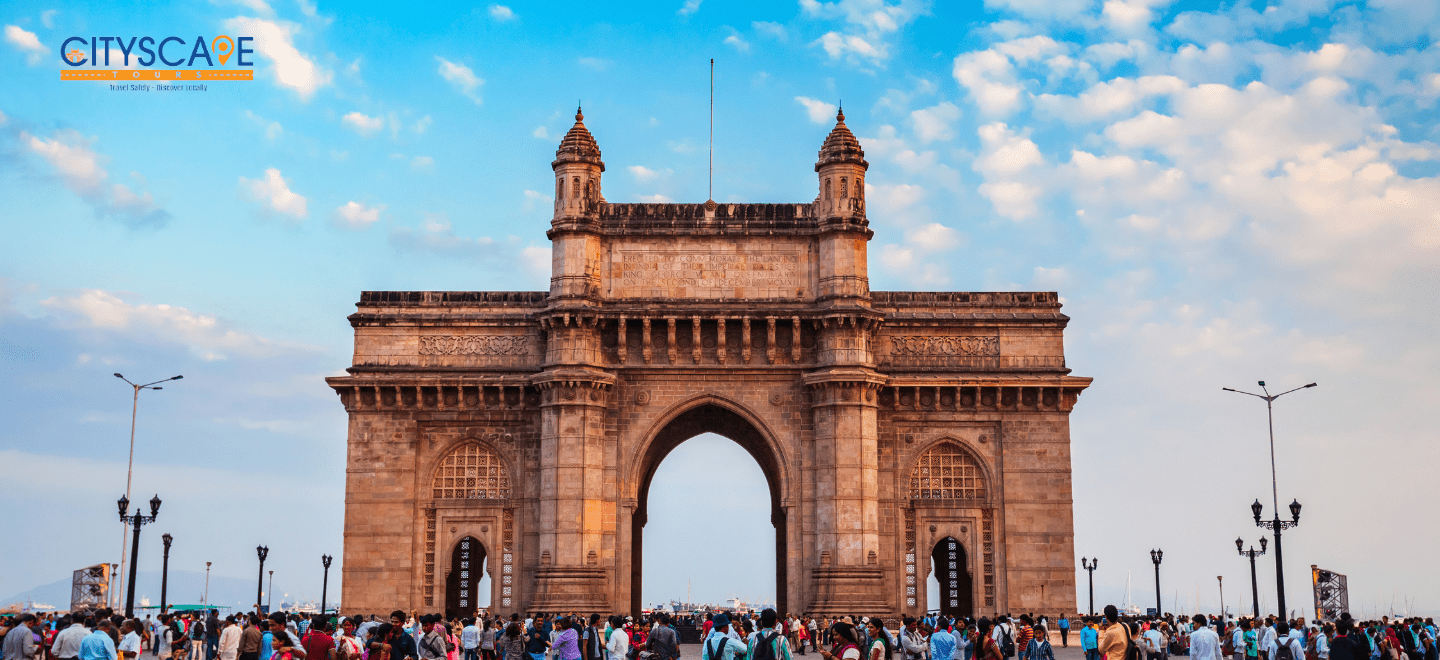
1. Gateway of India & Colaba / Colaba Causeway
Start your Mumbai journey at the iconic Gateway of India, built in 1924 to commemorate the visit of King George V and Queen Mary. It looks out over the Arabian Sea and is a perfect introduction to South Mumbai and its colonial legacy.
From there, stroll through Colaba and Colaba Causeway — a lively stretch of shops, cafés, bookstores, and galleries. The area has retained much of its “Old Bombay” charm, with street stalls, heritage buildings, and the buzz of everyday life.
Don’t miss grabbing a chai and street snack (e.g. vada pav) here, or popping into Leopold Café, Café Mondegar, and the small galleries tucked into side lanes.
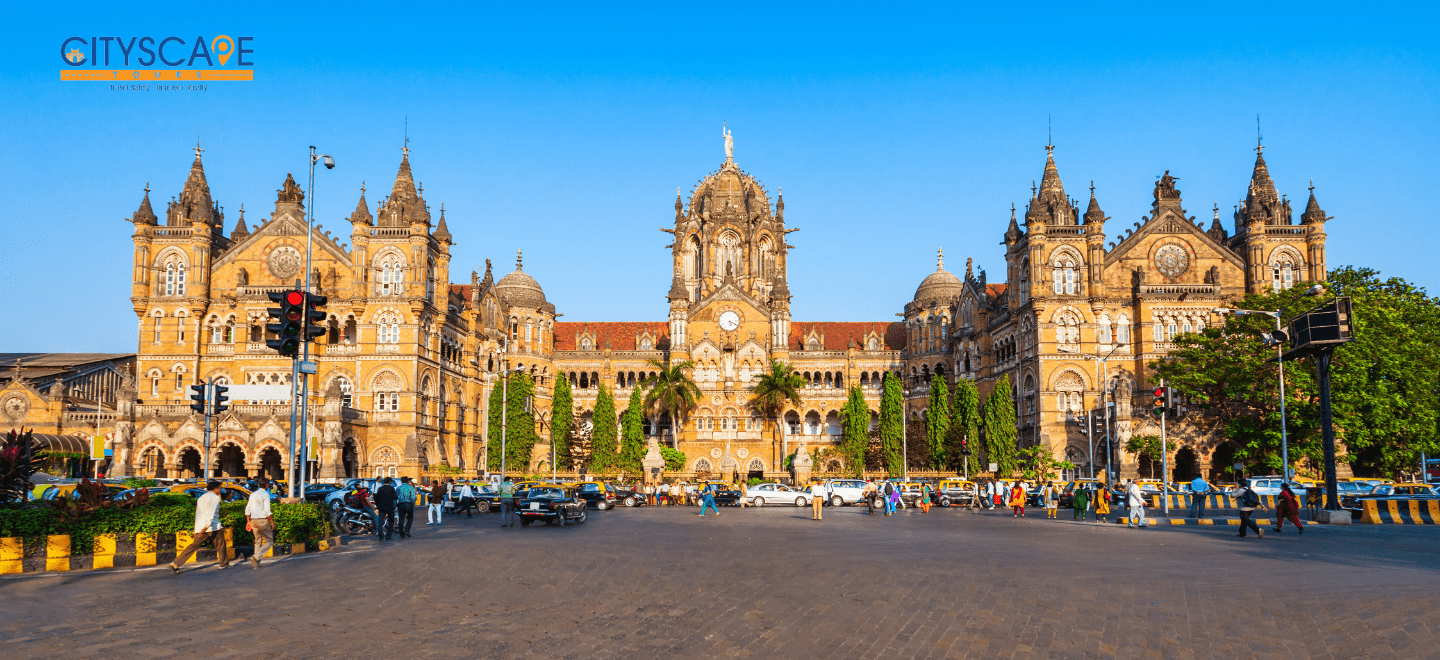
2. Chhatrapati Shivaji Maharaj Terminus (CST / Victoria Terminus)
A UNESCO World Heritage site, CST (formerly Victoria Terminus) is one of Mumbai’s architectural gems. The station is a majestic example of Victorian Gothic architecture blended with Indian design motifs. (tripadvisor.com)
Even if you don’t catch a train, the façade, stained-glass windows, turrets and soaring arches make it worth a visit. Nearby is the Rajabai Clock Tower, also part of Mumbai’s “Victorian & Art Deco Ensemble” recognized by UNESCO. (Wikipedia)
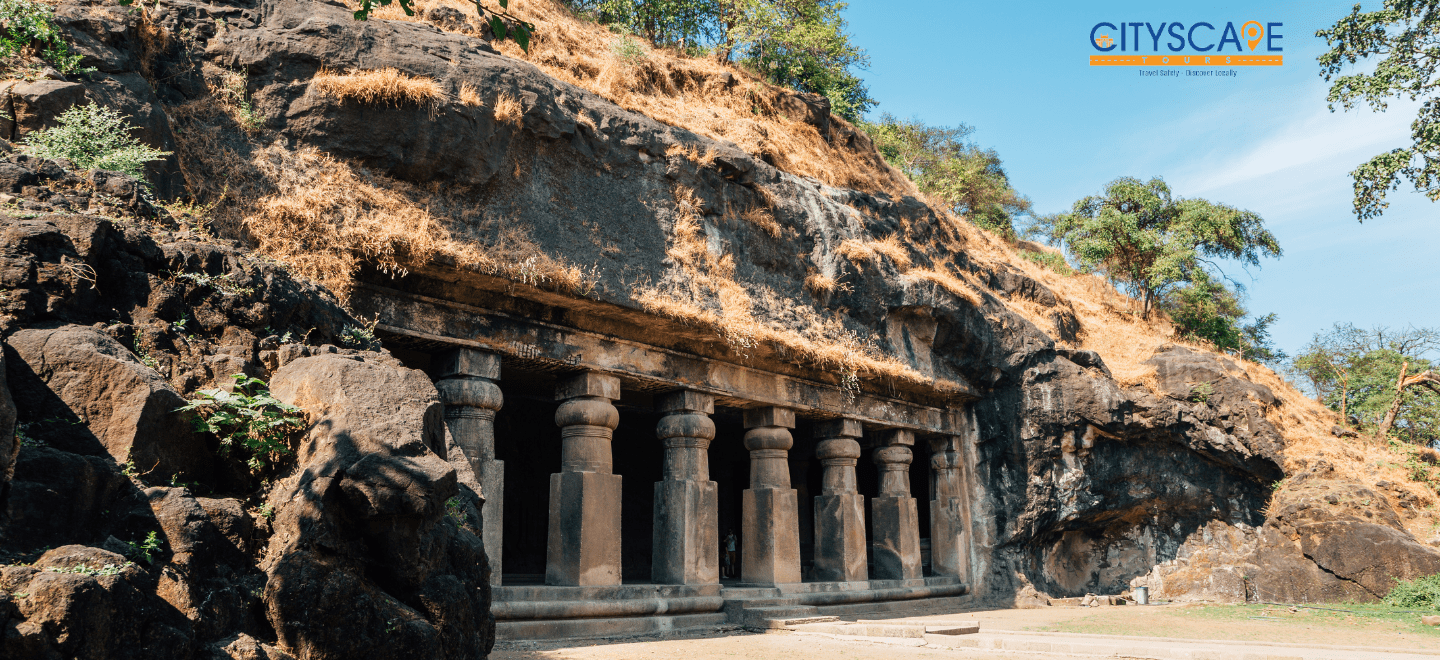
3. Elephanta Caves (Gharapuri Island)
Take a boat ride (≈ 1 hour) from the Gateway of India to Elephanta Island, home to ancient rock-cut cave temples and sculptures dedicated mainly to Lord Shiva. This is also a UNESCO World Heritage site. (tripadvisor.com)
Inside, you’ll find several caves with elaborate reliefs, large statues, and evocative interiors carved out of basalt. It’s a refreshing escape from the urban bustle and gives you a glimpse of India’s ancient artistry.
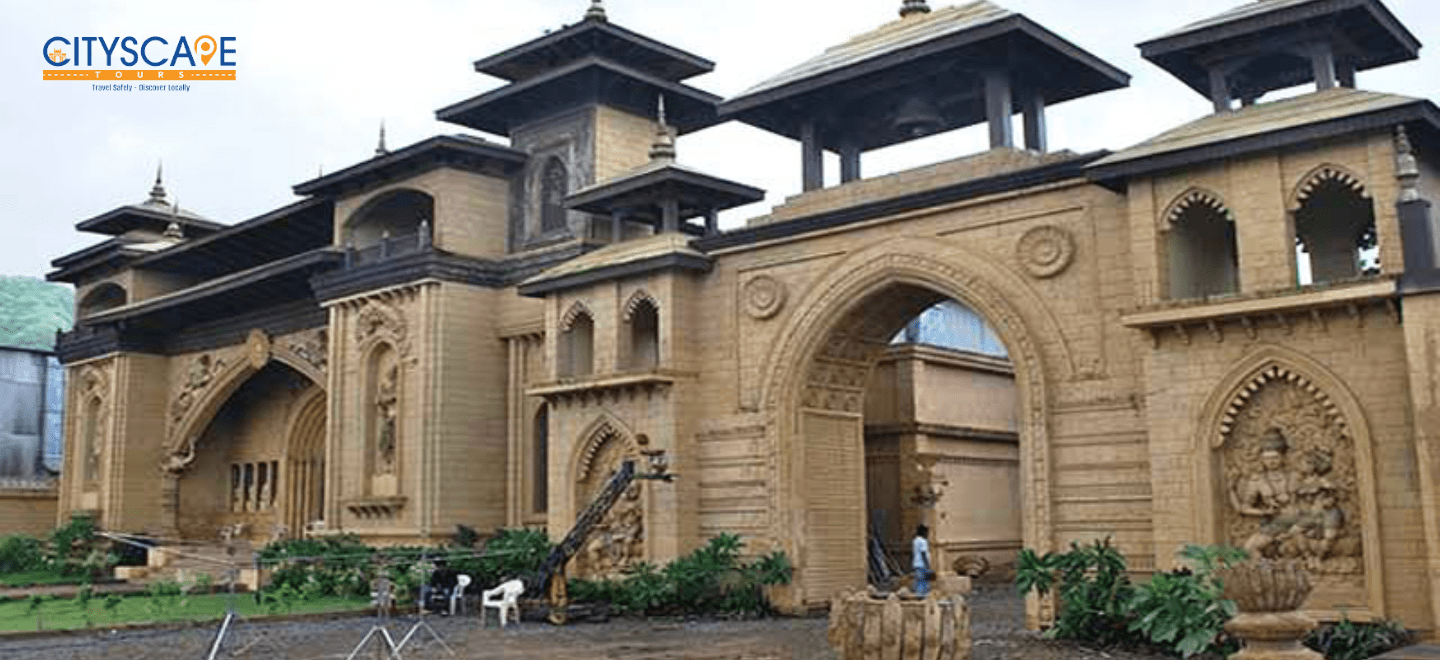
4. Bollywood / Film City Tour
You can’t come to Mumbai without experiencing Bollywood. The Film City (Dadasaheb Phalke Chitranagari), located in the northern suburbs (Aarey, Goregaon), is a hub of movie production.
Guided Bollywood studio tours take you behind scenes — sets, costume departments, live shoots (if you’re lucky), and sometimes a chance to meet artists or watch film shoots in action. It’s a fun, immersive peek into India’s largest film industry.
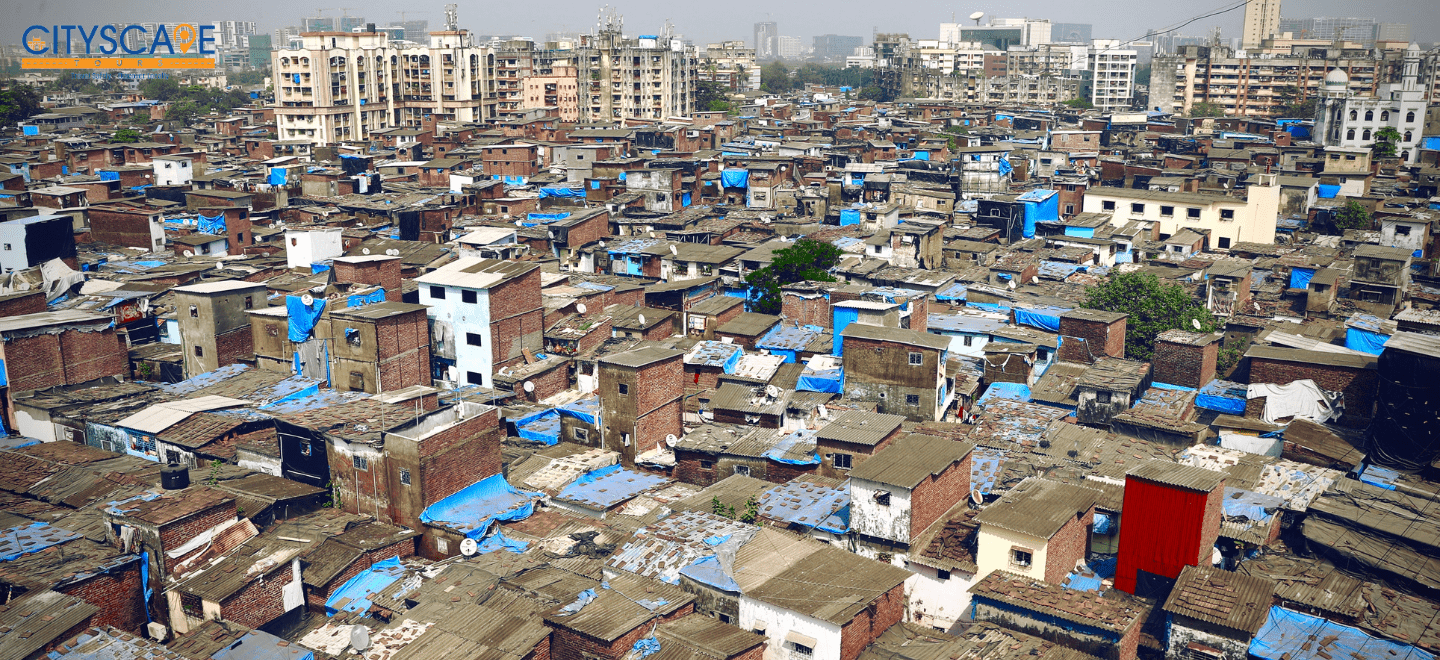
5. Dharavi Slum Tour
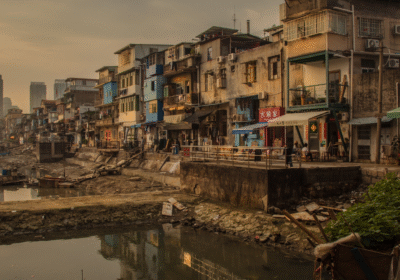
Dharavi, often featured in films like Slumdog Millionaire, is one of Asia’s densest slums, but also a vibrant micro-economy with cottage industries, recycling units, pottery, leatherwork, textiles, and small enterprises.
Several NGOs and local tour operators offer guided walking tours (with permission) that reveal how communities live, work, and innovate in constrained space. The tours aim to show dignity, resilience, and creativity rather than poverty spectacle. (Be sure to choose a responsible operator.)
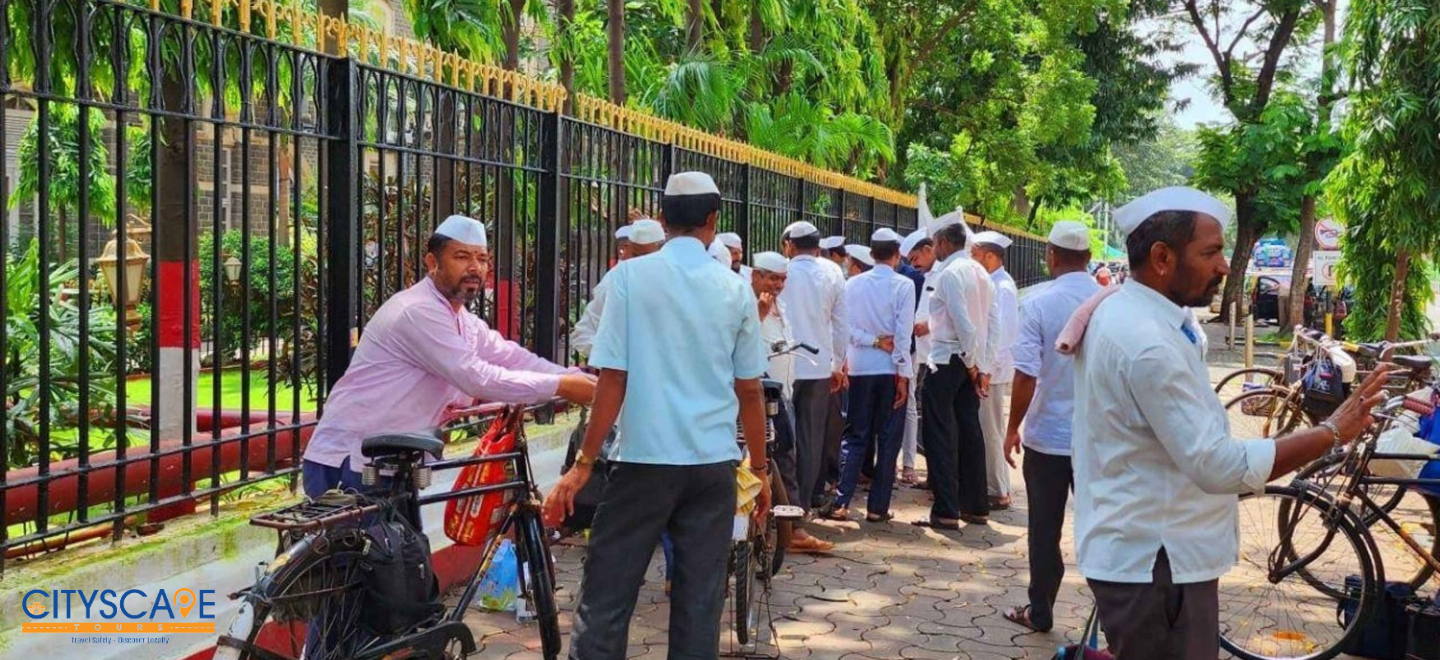
6. Dabbawala Experience / Mumbai’s Lunchbox System
The famed Mumbai Dabbawalas deliver thousands of lunchboxes daily across the city through a highly efficient system. You can sometimes arrange a short interaction, ride along, or shadow a dabbawala route in the lunch-delivery hours. It gives insight into Mumbai’s logistics, discipline, and community systems.
Pair this with a walk through Mahalaxmi Dhobi Ghat (open-air laundry) — rows and rows of troughs where laundry is hand-washed and dried in the open air. It’s a vivid illustration of everyday life in Mumbai.
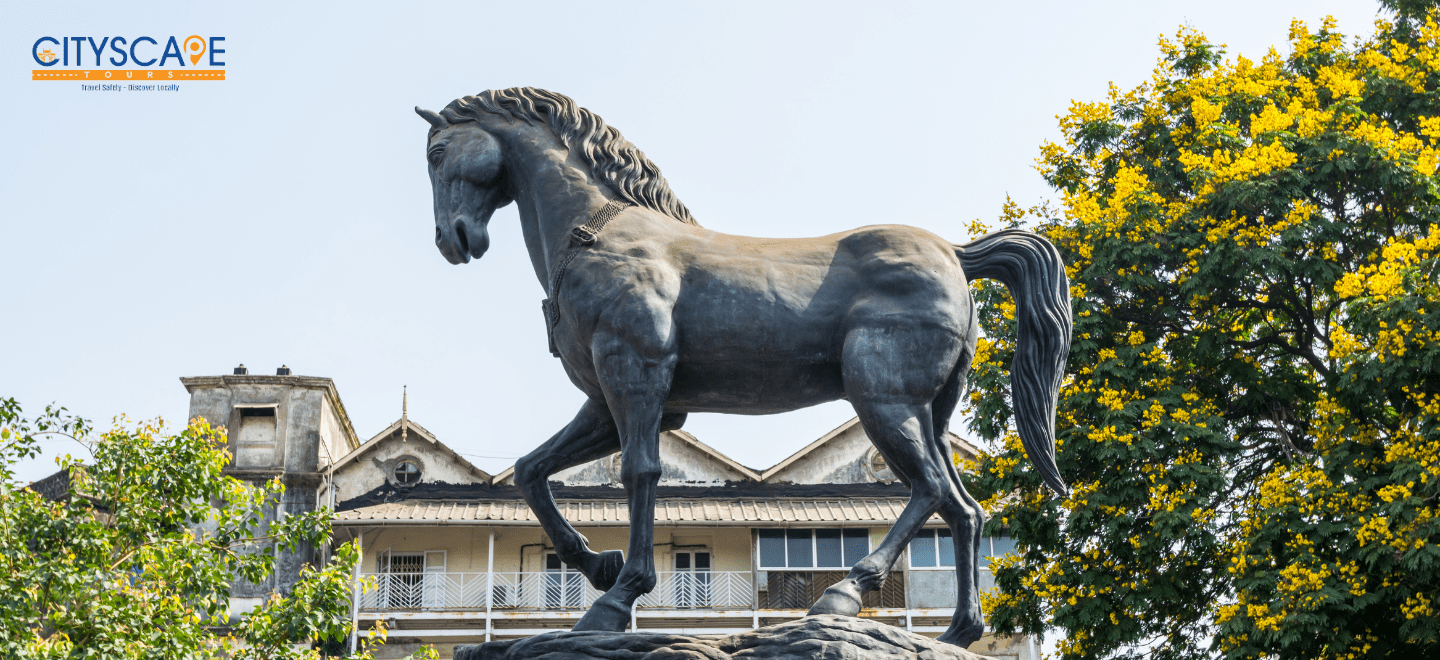
7. Heritage Walks & Museums (Kala Ghoda, Dr. Bhau Daji Lad, Mani Bhavan, etc.)
Mumbai is full of layers and stories. Several districts offer heritage walks through colonial, art deco, and indigenous architecture:
- Kala Ghoda: the art and cultural district, with street art, galleries, cafés, and charming lanes.
- Dr. Bhau Daji Lad Museum, housed in Byculla, is Mumbai’s oldest museum with decorative arts, city history, and heritage collections. (Wikipedia)
- Mani Bhavan: Gandhi’s Mumbai residence (now museum) where he stayed and strategized. (Viator)
- BMC (Mumbai Municipal Building) Heritage Tours: The civic headquarters occasionally opens for public heritage tours to reveal its architecture and urban history. (The Times of India)
You can join guided heritage walks (weekends) offering layered narration of Mumbai’s urban evolution.
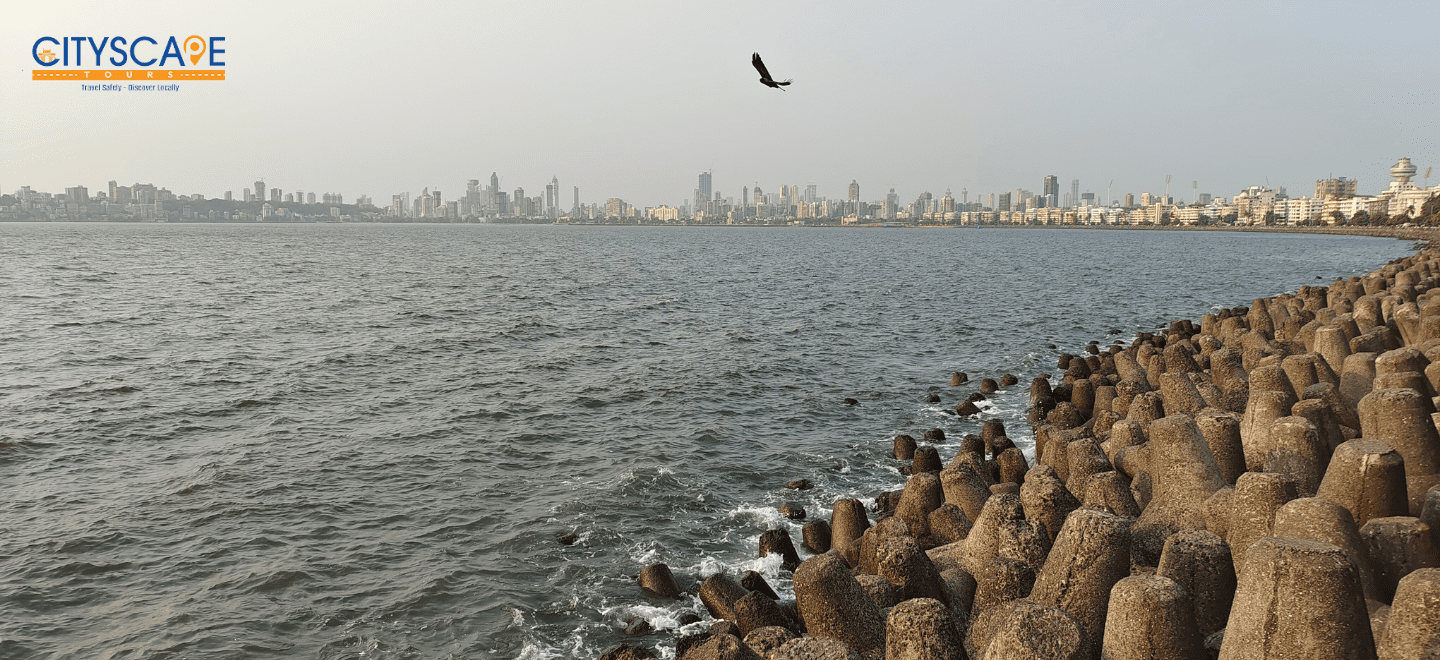
8. Marine Drive, Chowpatty & Malabar Hill / Hanging Gardens
Marine Drive (the “Queen’s Necklace”) is a curved promenade along the Arabian Sea, especially magical at dusk when the streetlights trace a glowing arc.
Girgaon Chowpatty (Chowpatty Beach) nearby is lively — evening snacks, street food, local rituals, and people-watching.
Above, Malabar Hill hosts the Hanging Gardens (Ferozeshah Mehta Gardens), offering a serene green space and panoramic views of the sea and skyline.
More recently, Mumbai has developed an elevated nature trail above part of Malabar Hill forest — a tranquil walk with views over Girgaon Chowpatty
9. Siddhivinayak Temple & Mahalaxmi Temple
For spiritual and cultural experience:
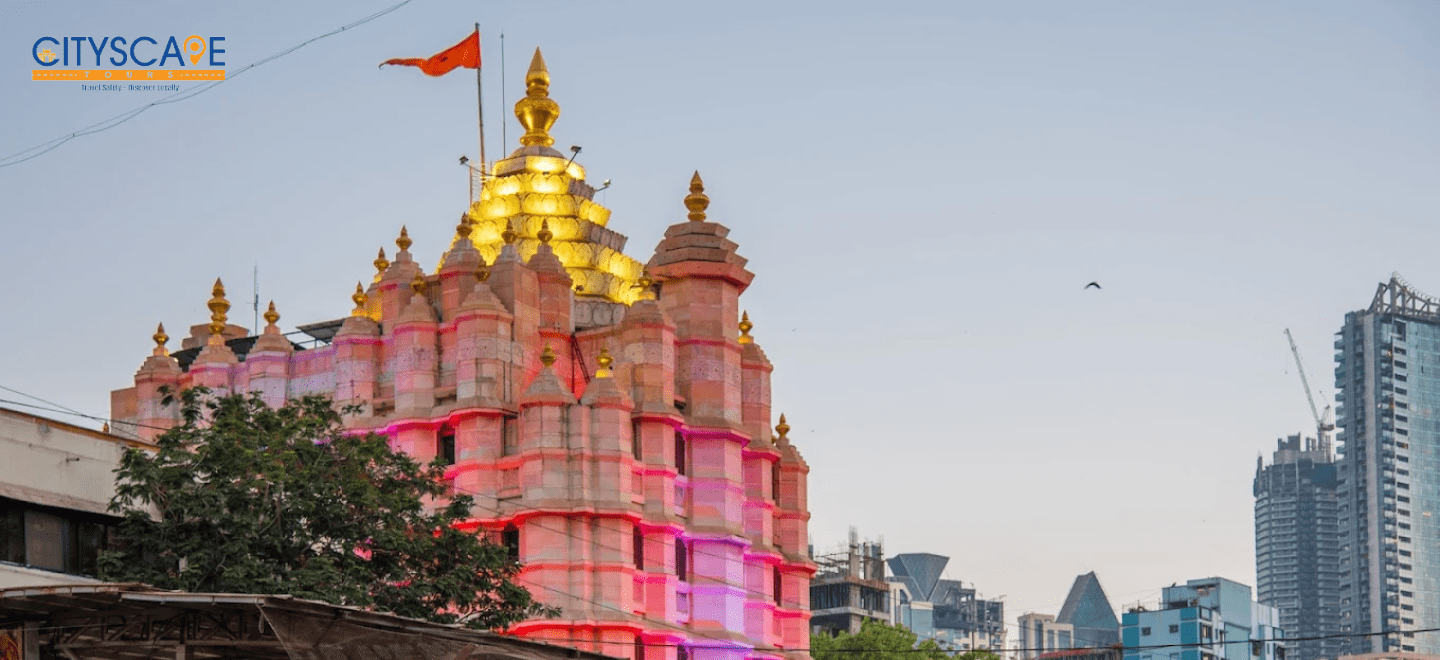
- Shri Siddhivinayak Temple in Prabhadevi is one of India’s most revered Ganesha temples. (tripadvisor.com)
- Mahalaxmi Temple, on Bhulabhai Desai Road, is centuries old and revered in Mumbai. Built in 1831, it blends history, ritual, and architecture.
Visiting during quieter hours (early morning) gives a more peaceful atmosphere and better chances to observe rituals.
10. Sanjay Gandhi National Park & Kanheri Caves
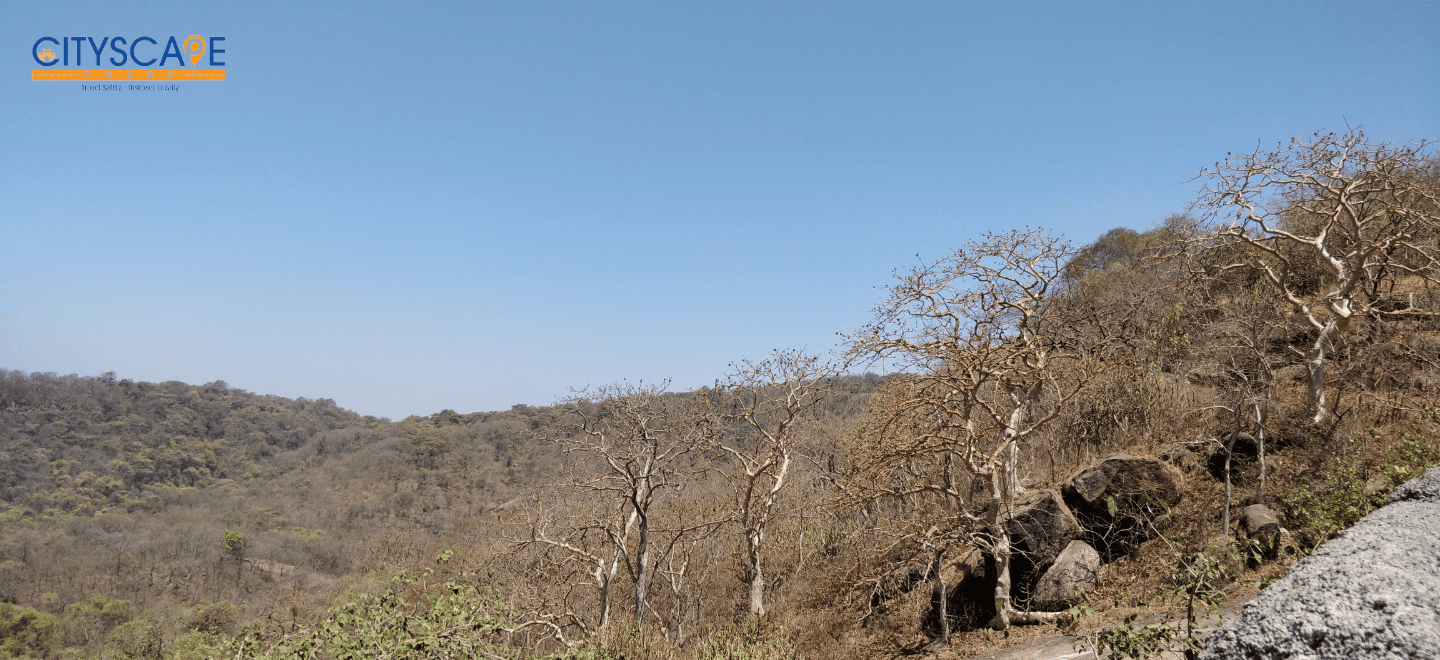
Mumbai surprises many by including a large national park partly within its boundaries — Sanjay Gandhi National Park in the northern suburbs. It’s a green lung for the city. (Holidify)
Inside, the Kanheri Caves (some dating from 1st century CE) are ancient Buddhist rock-cut caves that are accessible via park trails.
You can combine nature walks, birdwatching, a bit of trekking, and history in one excursion — a welcome break from the urban rush.
FAQs (Frequently Asked Questions)
Q: How many days are enough to explore Mumbai?
A: A 3–4 day stay lets you hit the highlights: Gateway, CST, Elephanta, heritage walks, Bollywood tour, plus one day in the national park. If you have just 1–2 days, prioritize South Mumbai (Gateway, Colaba, CST, Marine Drive) and one special excursion like Elephanta or a slum/film tour.
Q: Is it safe to do a Dharavi slum tour?
A: Yes — when done responsibly with registered, reputable operators. Do not wander alone. These tours are designed to respect privacy and dignity, and your guide will help you engage respectfully. Ask about their community ties and revenue sharing policies.
Q: When is the best time to visit Mumbai?
A: Between October and February — cooler temperatures, lower humidity, and little rain. Monsoon (June–September) brings heavy rains; summers (March–May) are hot and humid.
Q: What to wear and carry?
A: Light, breathable clothing that’s modest (for temples/slum visits). Comfortable walking shoes. Sun protection (hat, sunglasses, sunscreen), a water bottle, quick-dry towel, and maybe an umbrella or rain cover (especially in monsoon).
Q: Can I visit Bollywood studios spontaneously?
A: It depends. Some tours let you tag along, but many require advance booking due to security and scheduling. Try to arrange ahead for the best experience.
Q: Are entrances and boat rides expensive?
A: Most attractions have modest entry fees (for museums, caves, sites). The boat ride to Elephanta is an added cost. Compared to many global cities, Mumbai tourism costs are relatively affordable.
Q: How to manage Mumbai’s traffic?
A: Plan your routes to avoid cross-city commuting during peak hours (8–11 am and 5–8 pm). Use local trains when possible, and prefer shorter, strategic itineraries per day rather than zigzag journeys.
Final Thoughts:
Mumbai is not just a destination — it’s an experience. Its layers unfold gradually: the roar of local trains, the aroma of pav bhaji, colonial facades, filmi song sequences playing in your head, the hush of cave interiors, and the resilience of micro-communities.
For first-time travelers, this list gives a mix of iconic landmarks, cultural depth, human stories (Dharavi, dabbawalas), and natural escapes. Let curiosity guide you — linger in alleys, talk to locals, try street food, and allow space for surprise detours.

About Cityscape tours – Mumbai
From heritage walks and Bollywood tours to food trails and night drives, Cityscape Mumbai Tours brings you the true spirit of the city that never sleeps. Whether you’re a first-time visitor or a local explorer, our curated experiences offer something for everyone. Browse all our tours to find your perfect Mumbai adventure, or reach out to us directly for custom packages.
Contact us or WhatsApp us today — your unforgettable Mumbai journey starts here!