

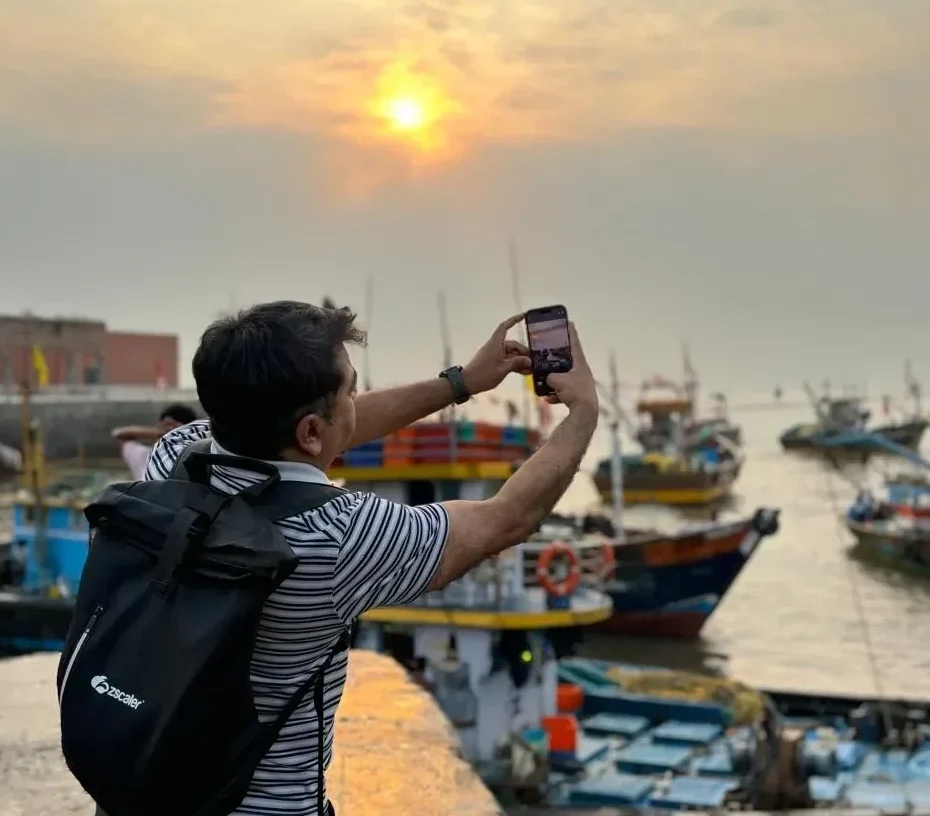
For Mumbaikars, Mumbai mornings may feel like an everyday routine, but if you look at the city from a different perspective, this same Mumbai morning will give you a calm, peaceful feeling with a cool, fresh breeze. It is a chance to see fishermen, flower sellers, milkmen, newspaper vendors, garland sellers, people out for a jog, cyclists, market traders, and laundry workers as they begin their day.
If you are staying at Hotel Sunrise Juhu or elsewhere in the city, an early start can help you experience a side of Mumbai that many visitors miss.
Tour at a Glance
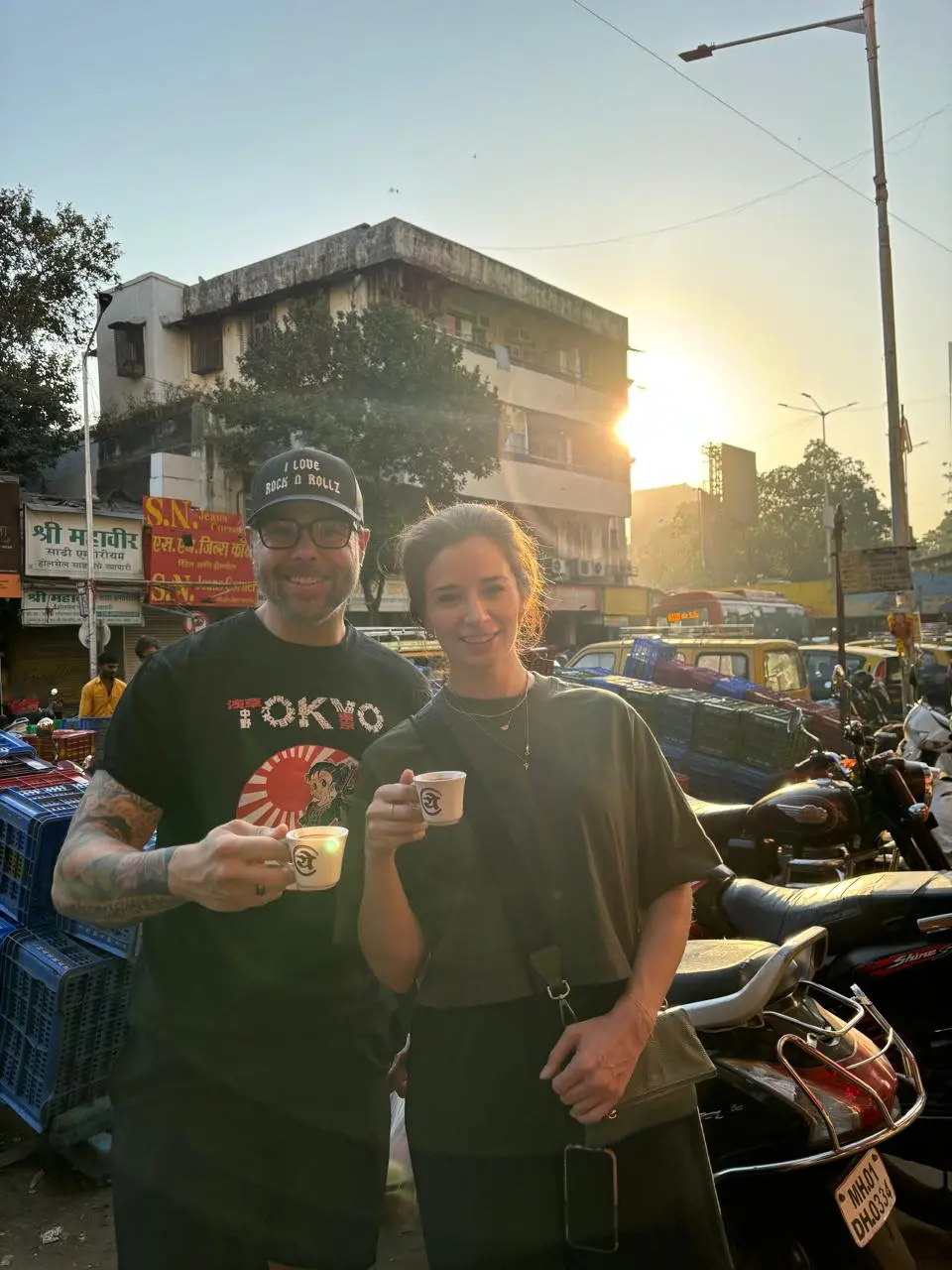
Why Mumbai Feels Different at Sunrise
Long before the sun is properly up, the city is already working. Fishing boats unload the night’s catch at the docks, wholesale traders at Dadar are buying and selling fruit and vegetables from around 3 am, flowers arrive for the day’s garlands, and the first Western Line trains leave Churchgate before 4:30 am. By the time most tourists sit down for breakfast, a big part of the city’s working day is already done.
Sunrise itself moves through the year. It is around 6:00 am in late May and June, and closer to 7:05 to 7:15 am in December and January. Since the tour starts between 5:00 and 5:30 am, you begin in partial darkness during every season and watch the light arrive as you move.
What You Can Actually See on a Mumbai Morning Tour
Here are the six stops that make the morning. Your guide grew up in these neighbourhoods, so you get explanations from someone who knows them, not a script.
Sassoon Docks Fish Market
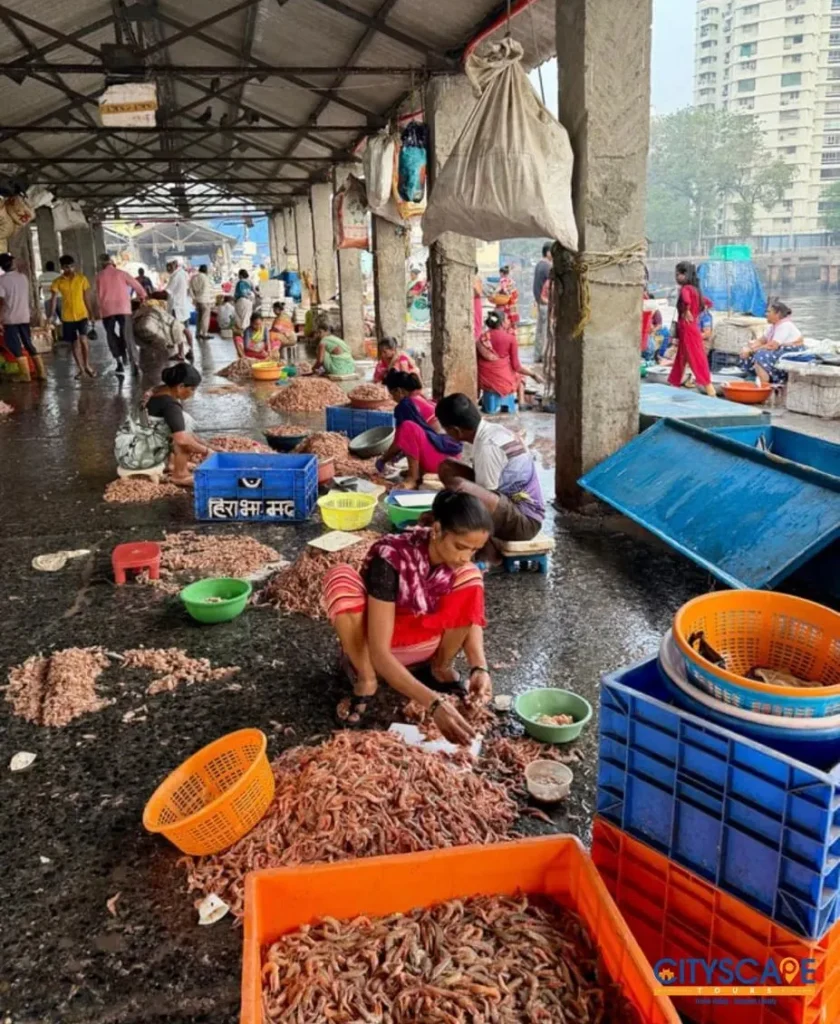
Built in 1875, Sassoon Dock is the city’s first big wet dock, and it still works like one. Boats bring in the catch before dawn, and Koli families, who pass this trade down through generations, sort, clean, and sell it on the floor. Women call buyers “taai”, meaning sister, and the heavy bidding is for wholesalers only, so you watch the action instead of joining it. The walls are covered in street art too, so look up. Come in the afternoon, and, as one TripAdvisor reviewer put it, the fish are gone but the smell is not.
Colaba Fish Market
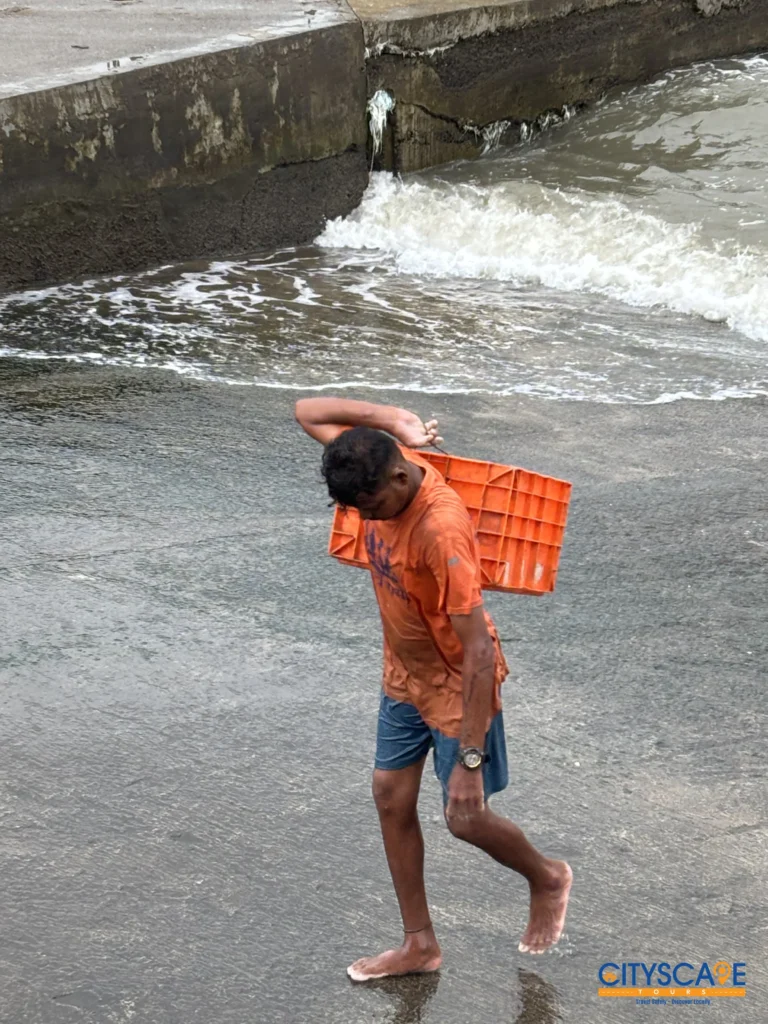
Colaba is one of the old Koli fishing villages inside the city, known as Koliwadas, and its fish market is where the catch turns into dinner for the neighbourhood. Fish sells best when it is fresh, so the real action is in the morning. It is a good place to see how the fish trade is as much a community business as a commercial one.
Dhobi Ghat Open Air Laundry
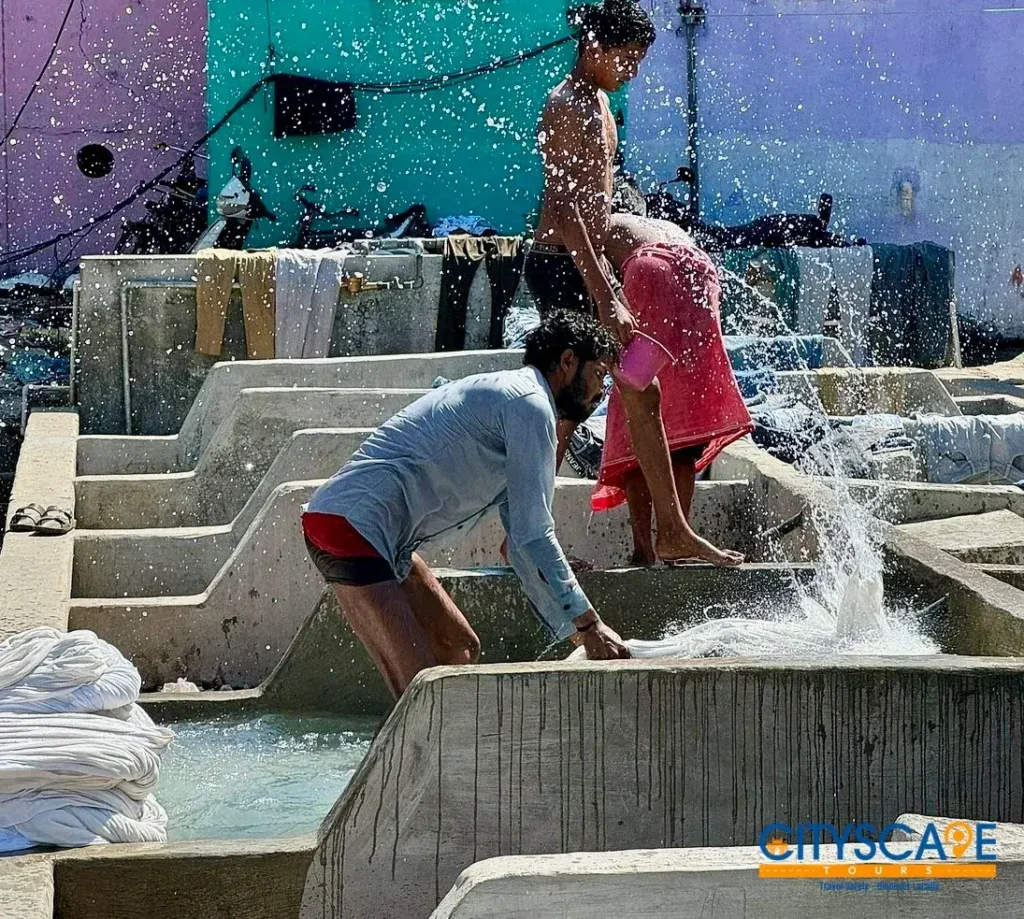
Mahalaxmi’s Dhobi Ghat dates back to 1890 and is often called the world’s largest outdoor laundry. More than 700 concrete wash pens sit in rows, and the dhobis wash linen from hotels, hospitals, and homes by hand, then hang it out to dry on long lines. The trade passes from one generation to the next. Soft morning light makes the colours pop, but please ask before photographing anyone, because this is their workplace.
Dadar Fruit and Vegetable Market
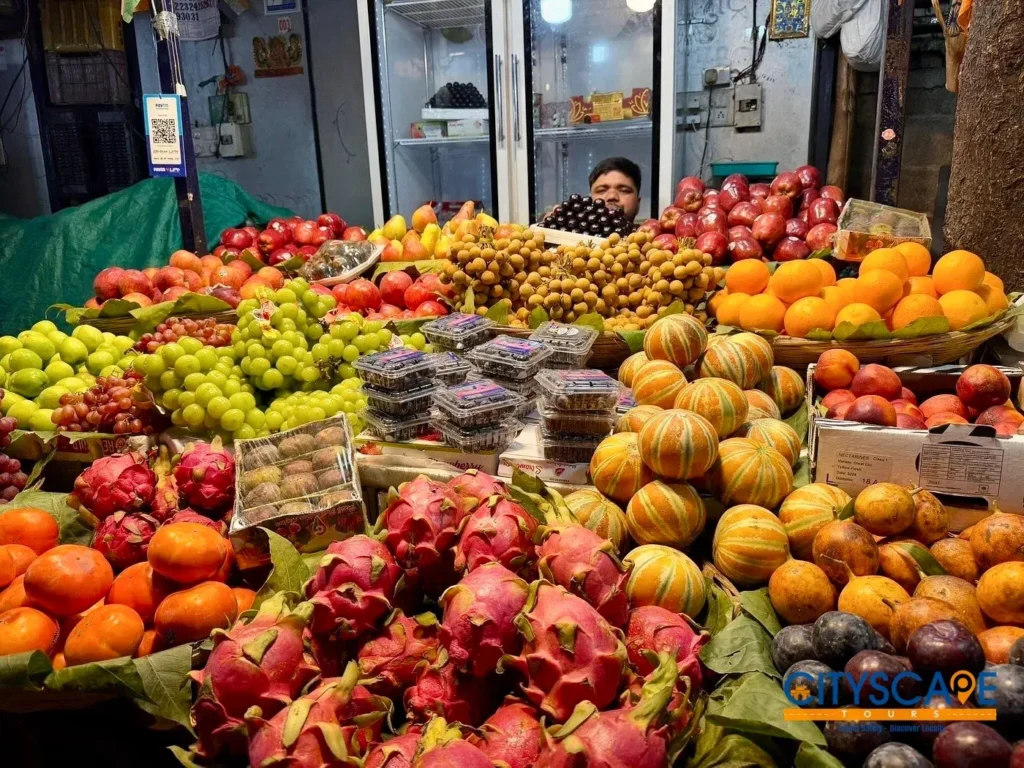
Right next to Dadar station, this wholesale market starts around 3 am, so by the time we arrive, it is in full swing. Crates change hands quickly, and prices are settled out loud before the produce heads off to shops and street stalls across the city. Keep to the side and watch your step, because everyone around you is busy working.
Dadar Flower Market
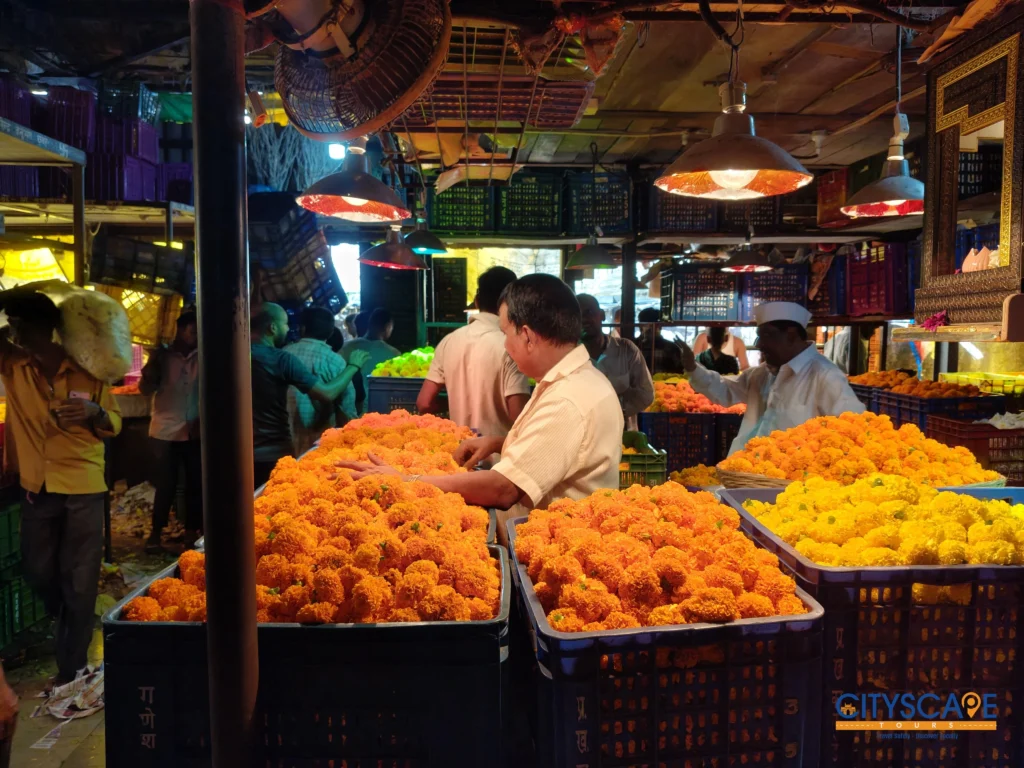
Just outside Dadar West station, this is Mumbai’s largest wholesale flower market, according to Lonely Planet, and it is as colourful as it is chaotic. Marigolds, red roses, and asters are sold in heaps, and garlands start at around ₹20 if you want to take one home. We finish the tour here, so you end the morning with something bright in your hands.
Churchgate Railway Station
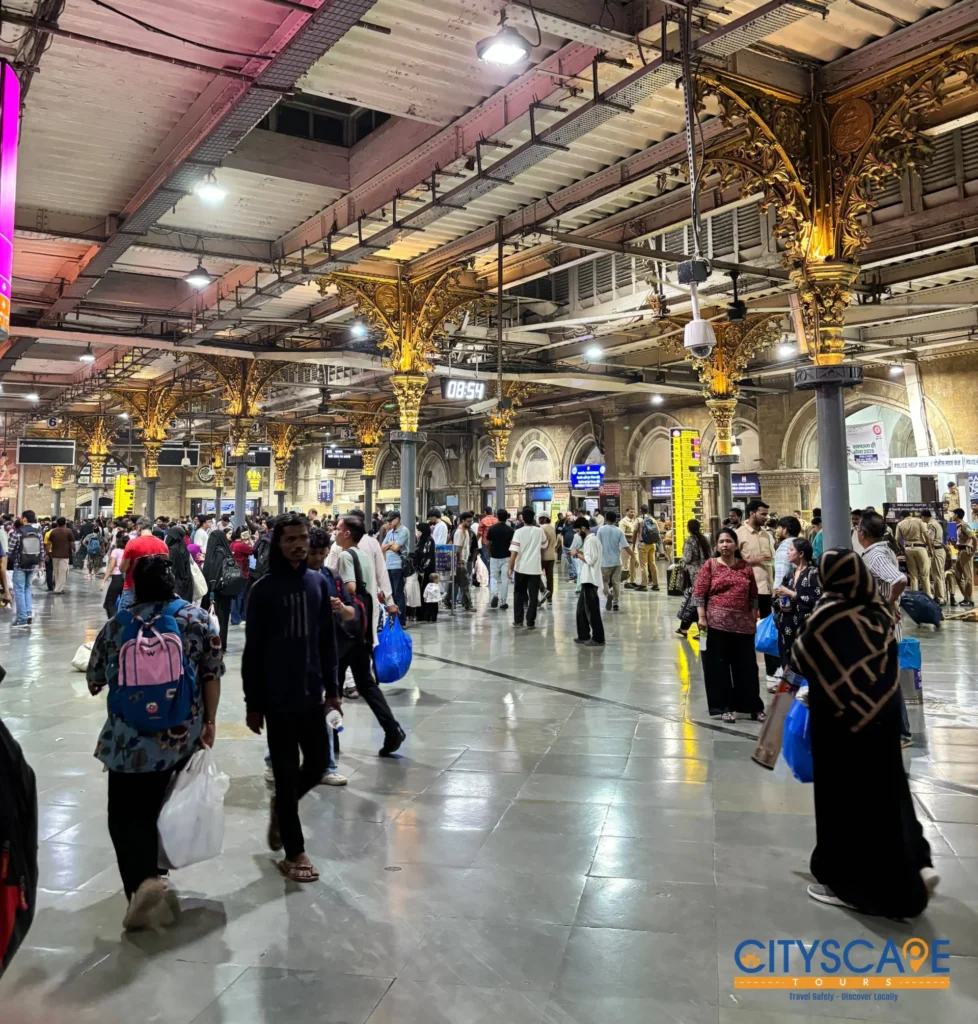
Churchgate is the southern end of the Western Line, where millions of suburban commuters reach their South Mumbai offices. The station opened in 1870, and the present building dates from the 1950s. Our stop here is short, about 15 minutes, but it shows you how the city moves.
Mumbai Sunrise or Sunset: Which Is Better?
Sunset is the pretty one. South Mumbai’s western shoreline, including Marine Drive, faces the Arabian Sea, so the sun drops into the water and the promenade fills up with people. It is lovely, but mostly it is a view. Sunrise is less about the sky and more about what is happening on the ground, with boats unloading, flowers arriving, and washing in full swing.
So if you want a calm evening by the sea, pick sunset. If you want to see how Mumbai really runs, sunrise wins. Many travellers do both, a Mumbai by dawn tour in the morning and a slow evening heritage tour on Marine Drive.
Is This Tour for You?
Honestly, it is not for everyone. The docks smell strongly of fish, and travellers on TripAdvisor are blunt about it. The floors can be wet, so wear closed shoes with a firm grip. You will wake up very early, and the tour is about local life, not monuments. If you are curious about how people actually live and work here, you will probably love it. Carry ₹500 to ₹1,000 in cash for small purchases.
Frequently Asked Questions
What time does the Mumbai dawn tour start?
Pickup is between 5:00 and 5:30 am, and the tour lasts about three hours. It ends at Dadar Flower Market.
Can I join from Hotel Sunrise Juhu or another hotel far from Colaba?
Hotel pickup is part of the booking, and you choose your hotel at checkout. If you cannot find yours, message us on WhatsApp before booking, and we will sort it out.
What should I wear?
Closed shoes or sturdy sandals and light, breathable clothes. The fish market floor is wet, so skip anything you would hate to get dirty.
Can I take photos?
Yes, photography is allowed at every stop. Please ask first when people are in the frame, because many of them are at work.
What if my plans change?
You get a full refund if you cancel at least 24 hours before the tour.
Ready to see the city before it fully wakes up? Book our Mumbai dawn tour on the website, or message us on WhatsApp at +91 88503 53966, and we will help you plan it.